
Beat the Inland Heat: How Window Tint Keeps Your Cabin Cooler All Summer
If you drive in Yorba Linda, you already know a truth that coastal commuters rarely have to face: inland Southern California summers are a different climate altogether. While a breeze off the Pacific keeps beach cities relatively mild, drivers further inland routinely deal with intense afternoon heat, baking asphalt, and a parked vehicle that can feel less like transportation and more like a greenhouse on wheels. For anyone who lives with that reality all summer, cabin temperature control isn't a cosmetic upgrade. It's a practical necessity for protecting both your comfort and your vehicle.
This article looks specifically at what happens inside a cabin during peak inland summer heat, how professionally installed window film changes that experience, and why it matters beyond simple comfort. We'll leave aside UV fading and glare-related safety concerns, which we've covered elsewhere, and focus on the heat itself: how a cooler cabin affects your air conditioning system and your overall driving experience.
Why Inland Valleys Feel the Heat More Than Coastal Cities
Marine layers and ocean breezes act as a natural buffer for coastal communities. Inland valleys like Yorba Linda don't get that same relief. Surrounded by terrain that traps heat and sitting well beyond the reach of cooling coastal air, these areas consistently run noticeably hotter than towns just a short drive west, with elevated surface temperatures on pavement and glass adding to the effect.
A parked vehicle intensifies this further. Sunlight passes through untreated glass, strikes the dashboard, seats, and steering wheel, and converts to heat energy that becomes trapped inside the cabin, similar to what happens inside a greenhouse. Left in direct sun for even a short period, an inland vehicle's interior can climb to a level of heat that makes getting back in the car genuinely uncomfortable, with surfaces like the dashboard and steering wheel often feeling even hotter than the surrounding air.
Dashboard, Steering Wheel, and Seat Heat: A Familiar Inland Problem
Ask any longtime inland resident what the worst part of summer driving is, and many will mention the same few things: a dashboard too hot to touch, a steering wheel that's uncomfortable to grip, and a seat that feels overheated before the air conditioning has a chance to catch up.
Untreated automotive glass allows a large share of solar energy to pass straight through to interior surfaces. Once absorbed, that energy radiates as heat, and dark-colored dashboards along with leather or vinyl seating tend to absorb it especially efficiently. On a hot inland afternoon, it's common for these surfaces to become uncomfortably hot to the touch after even limited sun exposure.
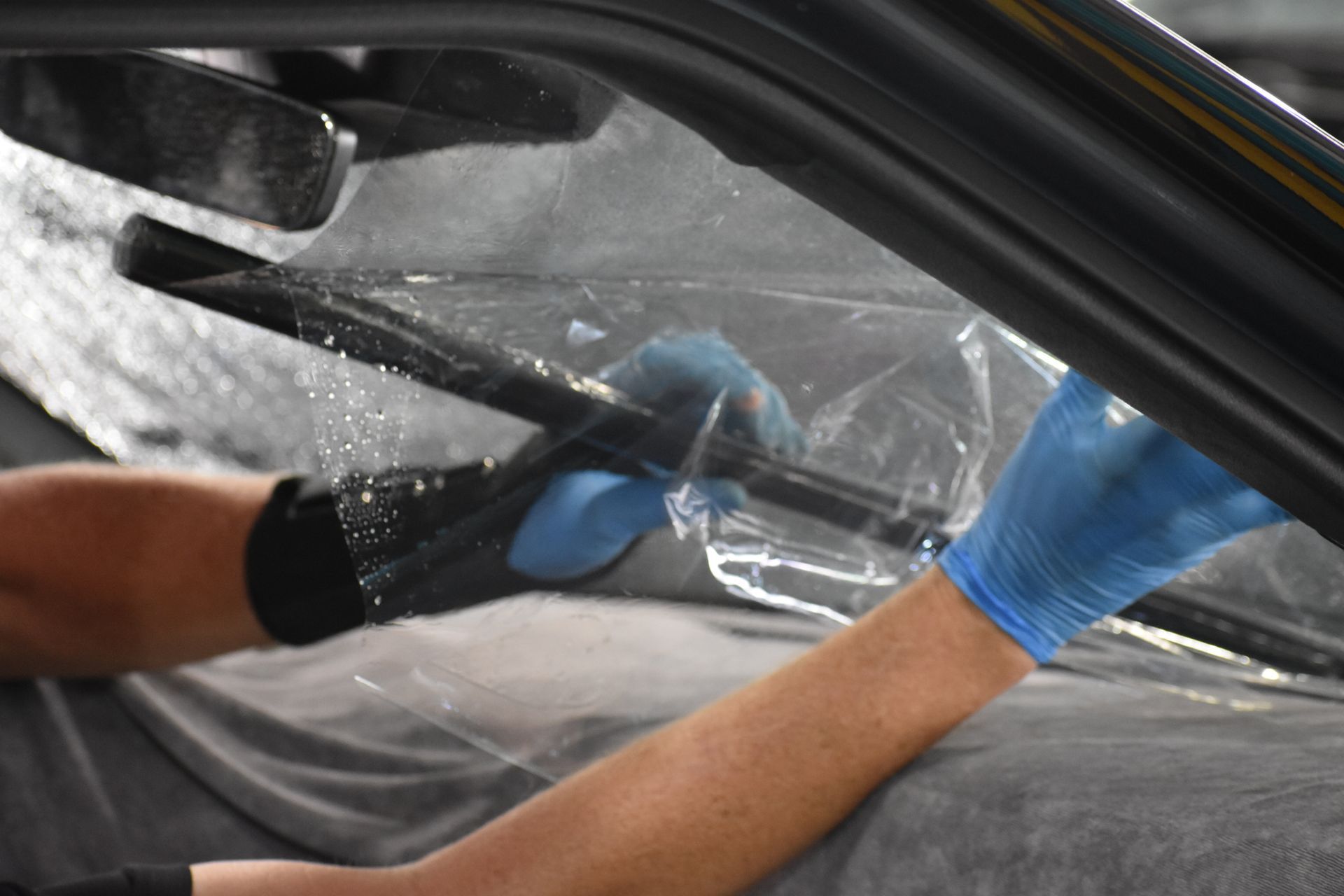
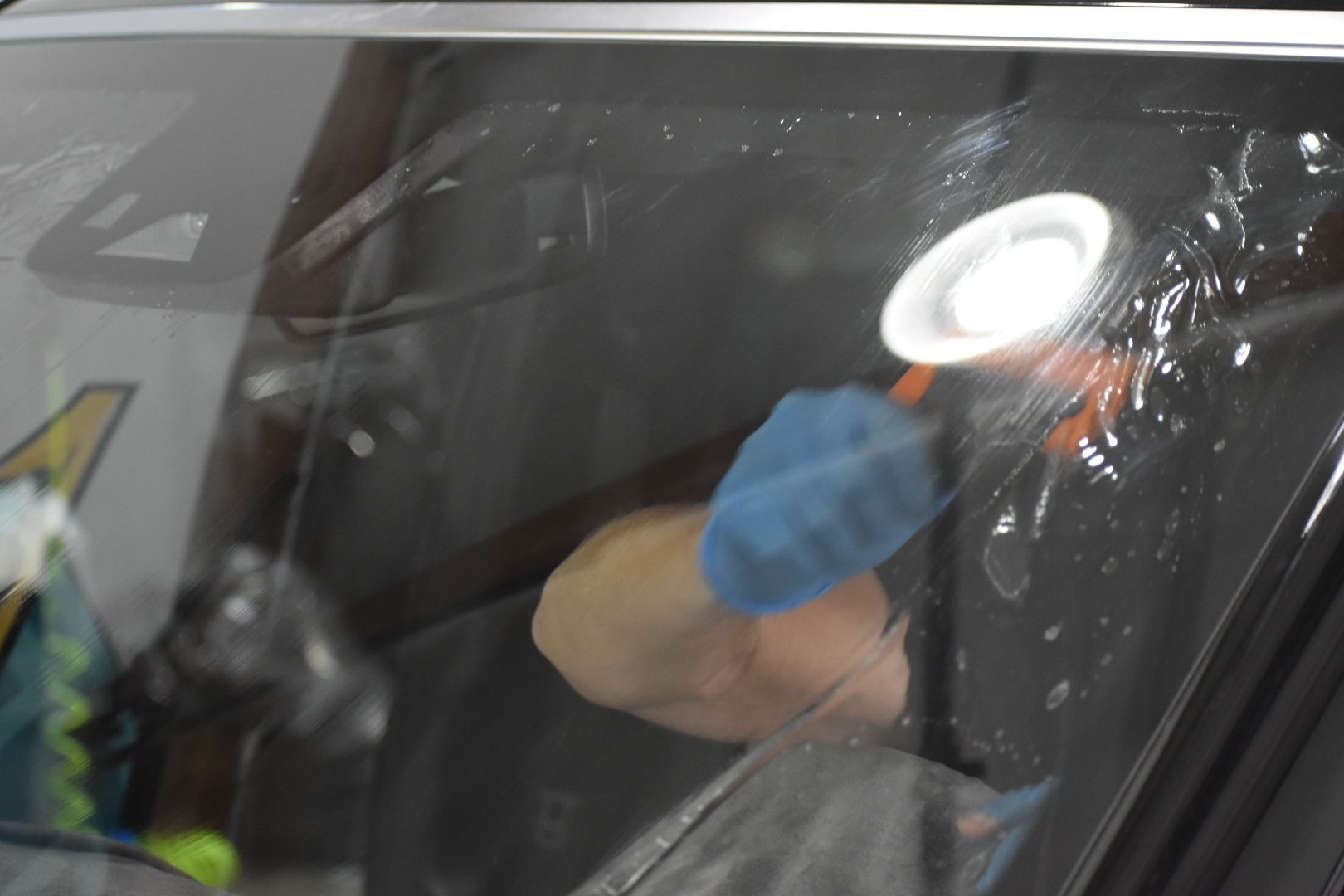
Quality window film addresses this by reducing the amount of solar energy that penetrates the glass in the first place. Rather than allowing that energy to strike the dashboard and convert to heat after the fact, tinted glass blocks or reflects a meaningful portion of it before it reaches interior surfaces. The practical result is a dashboard, steering wheel, and seat that stay noticeably cooler to the touch, even after time spent parked in direct sun.
Time-to-Cool: Why Tinted Cabins Reach a Comfortable Temperature Faster
Surface heat is only part of the equation. The other part is how long it takes your car to feel livable once you're back behind the wheel.
Every inland driver knows the routine: start the engine, turn on the air conditioning, and wait. Wait for the initial blast of hot air to fade, wait for the vents to stop feeling like a hair dryer, and wait for the seat to cool enough to actually sit back against it. That waiting period tends to be longer and more uncomfortable the hotter the cabin becomes while parked, since the air conditioning system has more distance to cover before reaching a comfortable setting.
Because tinted windows reduce how much heat builds up inside a parked cabin to begin with, the starting point for your air conditioning is simply lower. A cabin that stays cooler while parked gives the system less work to do once you're back on the road, which translates into reaching a comfortable temperature sooner and spending less time driving in discomfort while the interior catches up.
Less Strain on Your A/C System, Less Strain on Your Fuel Budget
There's a mechanical consequence to all of this heat that goes beyond comfort. The harder your air conditioning compressor has to work to overcome cabin heat, the more load that places on your engine. In a cabin that starts from a cooler baseline thanks to reduced solar heat gain, the compressor doesn't have to run as hard or as long to bring the interior down to a comfortable temperature.
That reduced workload carries a couple of practical benefits worth mentioning:
- Lower fuel consumption. Air conditioning draws power from the engine, and a compressor working harder in a superheated cabin pulls more of that power than one working in a cabin that starts out cooler. Across a full inland summer of daily driving, that added draw is worth avoiding.
- Reduced mechanical wear. A compressor and related air conditioning components that aren't constantly cycling at maximum output tend to experience less cumulative strain, which can support the long-term health of the system.
Neither benefit is dramatic on any single trip. But for inland commuters logging regular miles through a long Southern California summer, a cooler starting cabin temperature, reduced A/C strain, and lower fuel draw add up to a meaningful difference over time.
What Actually Reduces Cabin Heat: The Role of Tint Quality
Not all window film performs the same way when it comes to heat rejection, and this is where the type of tint matters. At Shine Detailing, we install two distinct tint categories built around this exact concern.
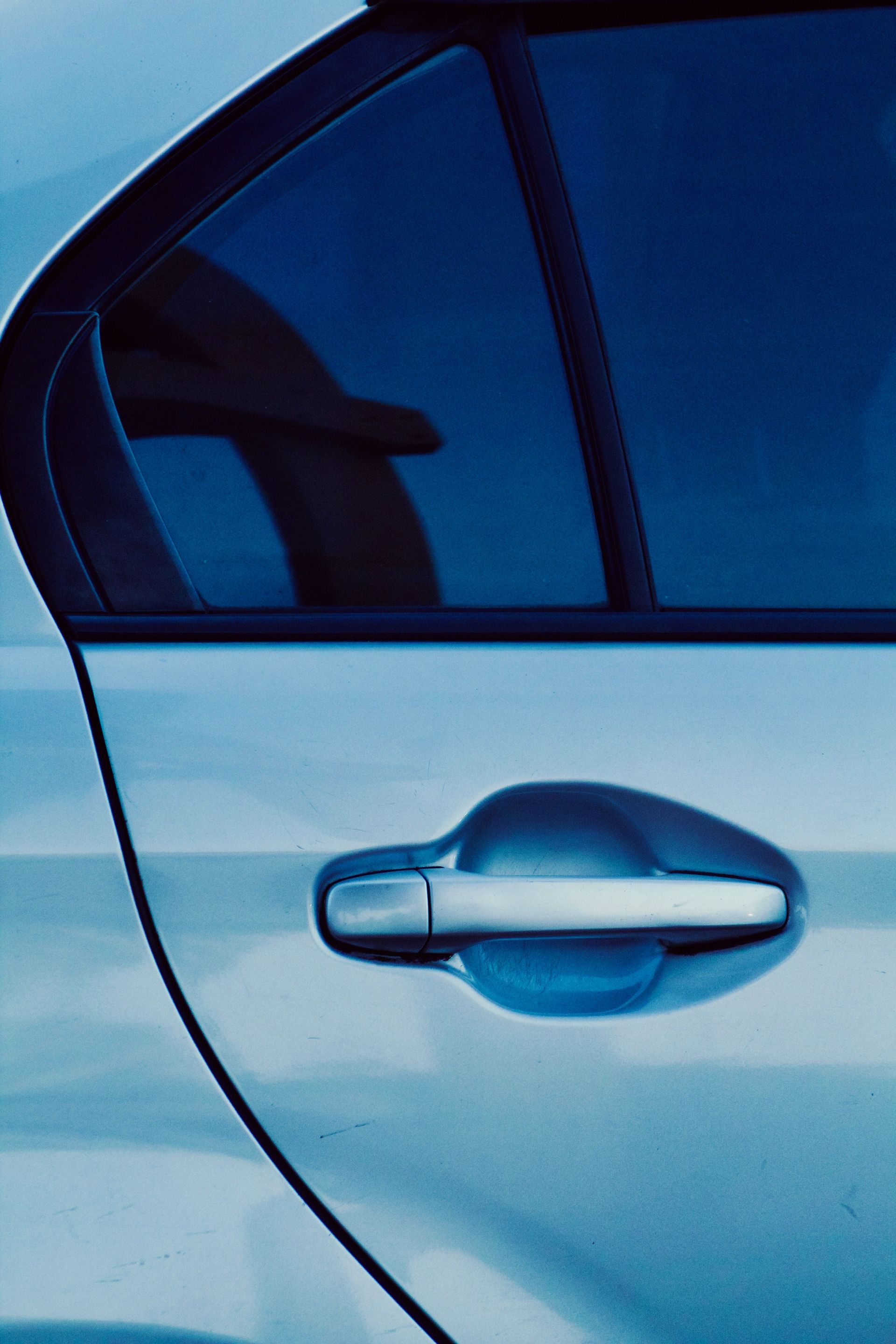
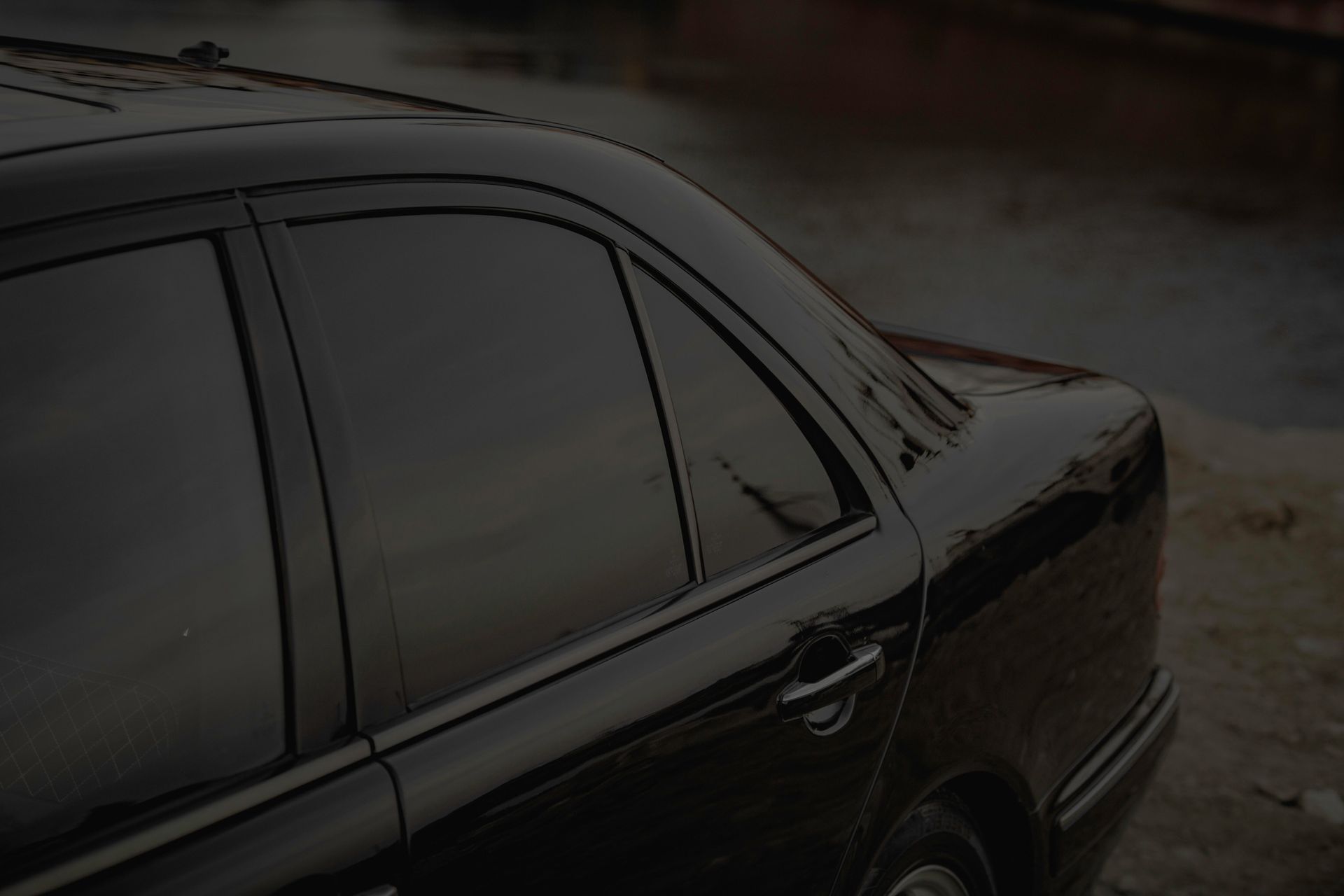
Ceramic window tint relies on nano-ceramic technology to deliver strong heat rejection alongside the durability our vehicles need in this climate. Ceramic tint is engineered specifically to help keep cabins cooler during Yorba Linda's hottest months, giving inland drivers a cooler starting point every time they get back behind the wheel.
Infrared ceramic window tint builds on that foundation. It includes the same core benefits as ceramic film, then adds an additional layer of heat-rejection performance while maintaining excellent optical clarity. For inland drivers who spend real time in parked or slow-moving vehicles under direct sun, this upgraded performance often makes the difference between a cabin that's merely warm and one that's genuinely comfortable soon after you get in.
Both options are available across our standard coverage packages, from a windshield strip up to a full vehicle surround, so drivers can choose the level of protection that fits their vehicle, their budget, and how much time their car spends parked in direct inland sun.
Why Professional Installation Matters for Heat Performance
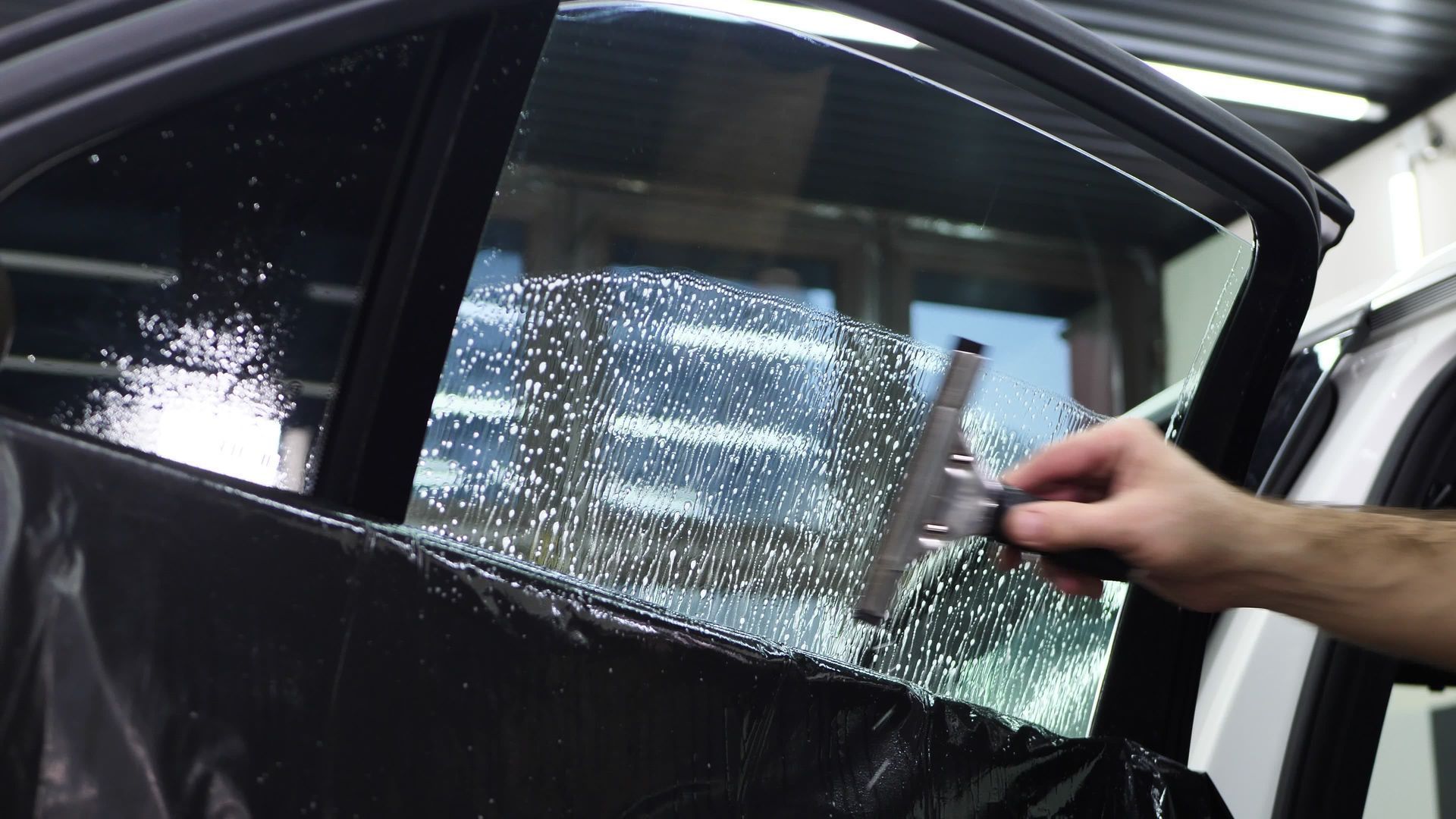
Cabin temperature reduction isn't only about the film itself; it's also about how completely and precisely it's applied. Gaps, bubbling, or inconsistent coverage doesn't just look unfinished; it creates weak points where solar heat can still get through more easily. A properly installed tint job, shaved at the edges with no light gap, ensures the heat-rejecting properties of the film are working across the entire glass surface, not just the visible portions.
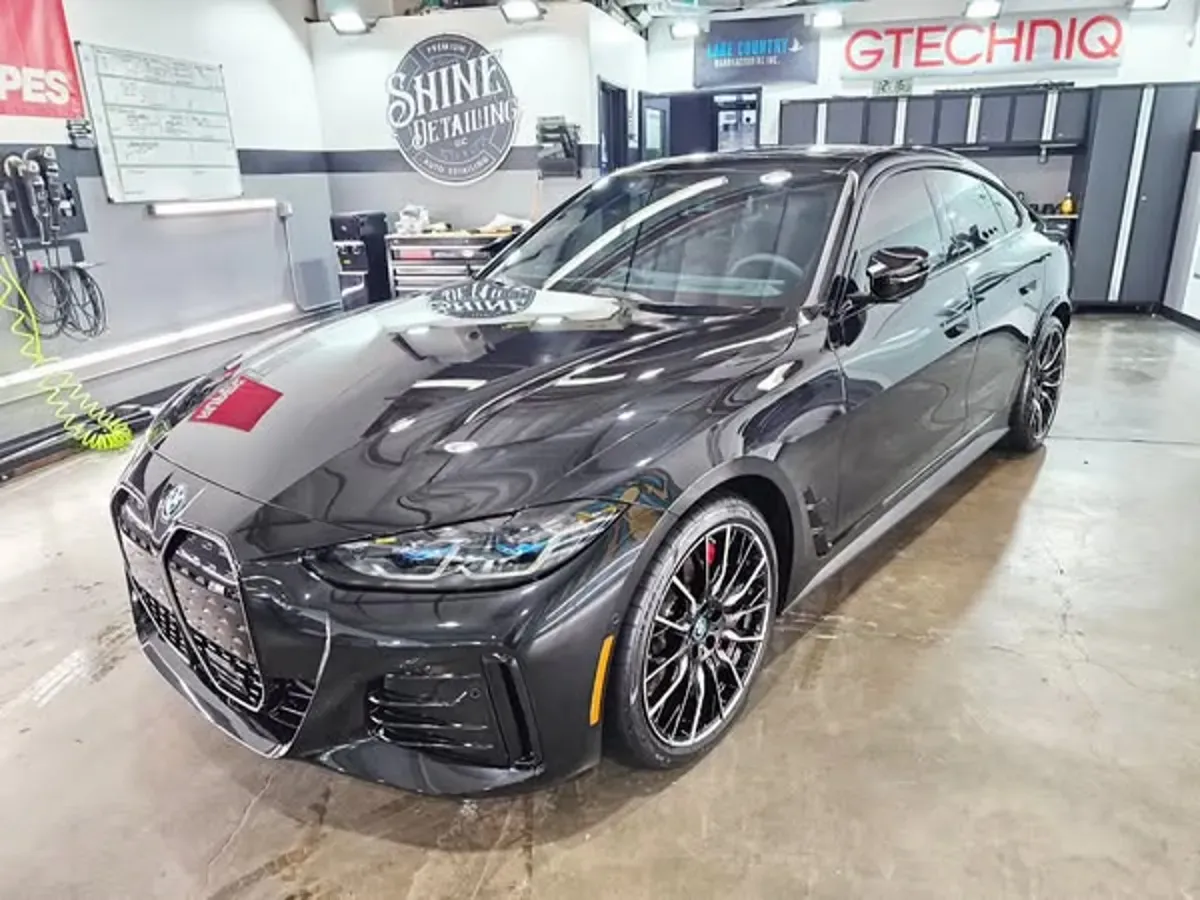
This is where working with certified, experienced installers matters. At Shine Detailing, our team has spent years fitting ceramic and infrared ceramic film specifically for the demands of inland Southern California heat, ensuring every vehicle that leaves our Yorba Linda location is set up to handle the hottest stretch of the year with confidence.
How This Plays Out on a Typical Inland Errand Run
Consider a routine afternoon: a short stop at a shopping center, with the car left in an open, sun-exposed parking lot because covered spots are full. On an untreated vehicle, that short stop is often enough time for the dashboard and steering wheel to become uncomfortably hot and for the trapped cabin air to grow genuinely unpleasant. Multiply that scenario across a single afternoon of errands, school pickups, and short commutes, and an inland driver deals with that heat buildup and recovery cycle repeatedly before the day is done.
With heat-rejecting film installed, each of those stops still lets in some solar energy, but at a reduced rate. The dashboard doesn't climb as high, the steering wheel stays more comfortable to grip right away, and the air conditioning isn't fighting from as extreme a starting point when the drive resumes. It's a difference that shows up not in one dramatic moment but in the accumulation of small, repeated stops across a long inland summer.
Comfort That Compounds Over an Entire Season
Southern California's inland heat isn't a single bad week; it's an extended season that lingers well beyond what coastal residents experience. That duration is exactly why cabin temperature reduction matters more here than it might in a milder climate. A driver in a coastal town may only deal with an uncomfortably hot cabin on rare occasions. An inland Yorba Linda driver deals with it regularly, across the warmer months, on nearly every trip that involves parking outdoors.
Because of that repetition, even a modest reduction in peak cabin temperature and time-to-cool adds up to a real difference in daily comfort and long-term protection for your vehicle's interior. It's the steering wheel you can grip without hesitation, the seat you can sit in without a towel draped over it, and the air conditioning that reaches a comfortable setting well before your drive is over.
Ready to Take the Edge Off Inland Summer Heat?
If you're tired of scorching steering wheels, dashboards you can't comfortably touch, and an A/C system that never seems to catch up, a properly installed ceramic or infrared ceramic window tint can make a genuine difference in how your cabin handles the heat, while helping preserve the comfort and condition of a vehicle you've invested in. Shine Detailing, located at 22343 La Palma Ave, Suite 110 in Yorba Linda, has been helping local drivers manage inland summer conditions since 2013, with a certified team, backed by our IDA-member shop, that understands exactly what this valley's climate demands.
Reach out to our Yorba Linda team today to talk through which tint package fits your vehicle and your daily drive, and get a free quote toward a cabin that feels comfortable the moment you get in.
About the Author
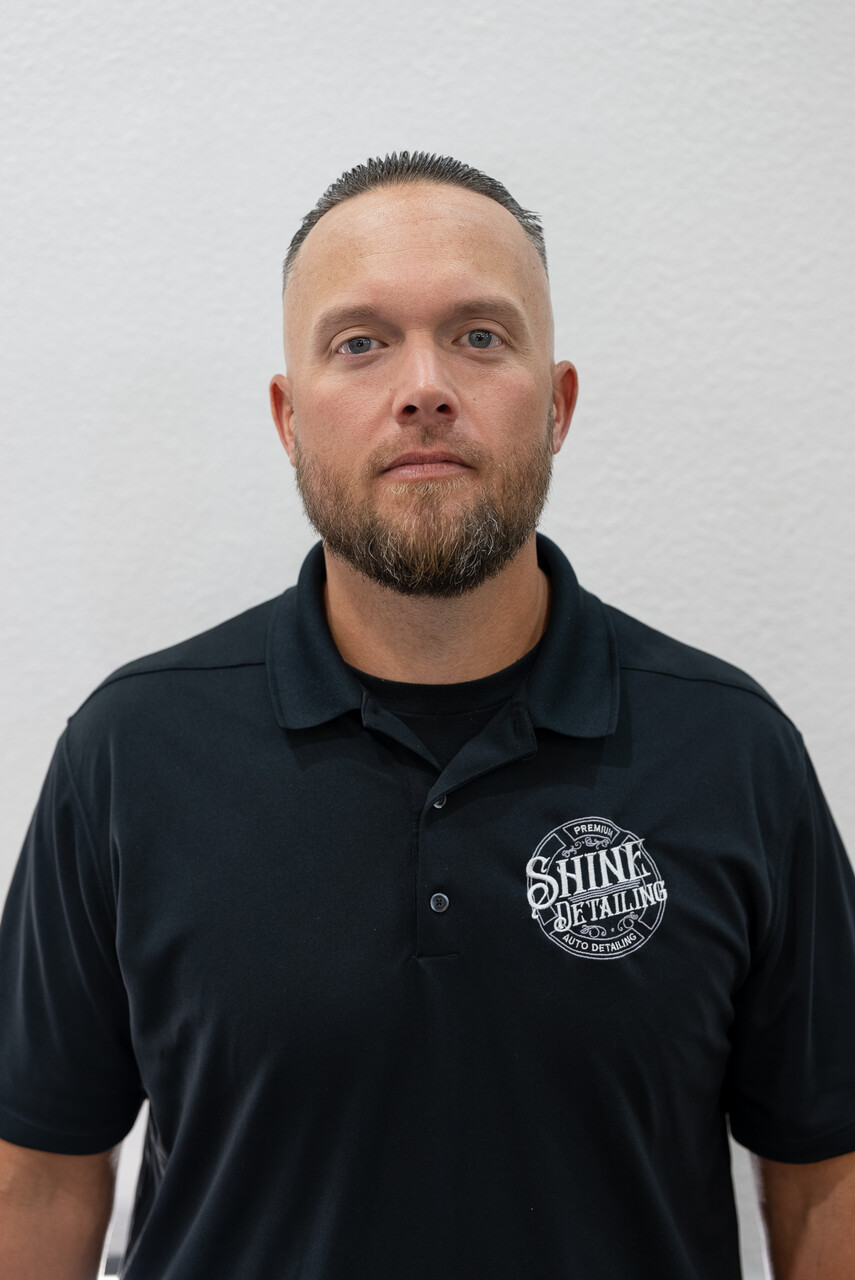
Kelly H. Johnson
This post was written by Kelly H. Johnson, President of Shine Detailing LLC in Yorba Linda, California. A 15-year industry veteran, IDA Skills Validated professional, and certified installer across PPF, ceramic coating, and window tint, Kelly has trained nationally and been featured at SEMA and in HotRod Magazine. Follow along at @shinedetailingllc.