
Why Summer Heat Makes Ceramic Coating a Must-Have, Not a Luxury
Ceramic Coating Summer Heat Protection in Southern California Conditions
Southern California summers are not simply warm. They are consistently intense and demanding on automotive surfaces. In regions like Yorba Linda, vehicles are regularly exposed to prolonged UV radiation, elevated surface temperatures, and heat-amplified environmental contaminants that behave very differently than in milder climates.
For vehicle owners who value long-term appearance and preservation, this is where ceramic coating summer heat protection becomes more than an upgrade. It becomes a practical layer of defense. Under extreme heat, automotive paint does not just age visually; it undergoes accelerated chemical and environmental stress. The result is gradual dullness, fading, and contaminants bonding more aggressively to the clear coat surface.
At Shine Detailing, an IDA-member shop that has served Yorba Linda since 2013, we commonly observe this pattern among vehicles exposed to consistent outdoor conditions and daily driving demands typical of Southern California lifestyles. This article breaks down why summer heat is so damaging to automotive paint and how ceramic coating helps reduce that damage at the surface level.
How Summer Heat Accelerates Paint Damage
Heat does far more than warm the exterior of a vehicle. It actively changes how contaminants interact with the paint surface and how the clear coat responds over time.
When surface temperatures rise, the clear coat becomes more reactive, allowing environmental elements to bond more quickly and more firmly than they would under moderate conditions.
UV Exposure and Thermal Stress
UV radiation is one of the most significant contributors to paint degradation. With continuous exposure:
- The protective clear coat gradually weakens
- The base color layer loses depth and vibrancy
- Surface gloss begins to diminish over time
Heat intensifies this process by repeatedly cycling the paint through expansion and contraction. Over time, this contributes to uneven fading, especially on exposed horizontal surfaces such as the hood, roof, and trunk.
Oxidation and Surface Breakdown
Oxidation is a natural process that becomes significantly more aggressive in hot climates. It occurs when oxygen interacts with the outermost layer of the clear coat, slowly breaking down its protective structure.
In sustained heat conditions, this process accelerates due to:
- Increased chemical activity at higher temperatures
- Continuous UV exposure weakening surface protection
- Dry environmental conditions contributing to surface brittleness
As oxidation develops, paint begins to lose its depth and takes on a dull, chalky appearance. This effect is especially noticeable on darker-colored vehicles where contrast loss is more visible.
Heat-Activated Contaminant Bonding
One of the most overlooked effects of summer heat is how it alters organic contaminants such as the following:
- Tree sap
- Bird droppings
- Insect residue
- Road grime and tar particles
Under high temperatures, these contaminants soften, spread, and then re-harden as surfaces cool. This cycle causes them to bond more strongly to the clear coat than under normal conditions.
The challenge is not just surface staining. It is chemical bonding at a deeper level, making routine cleaning less effective and increasing the risk of damage during removal attempts.
How Ceramic Coating Interrupts Heat Damage at the Surface Level
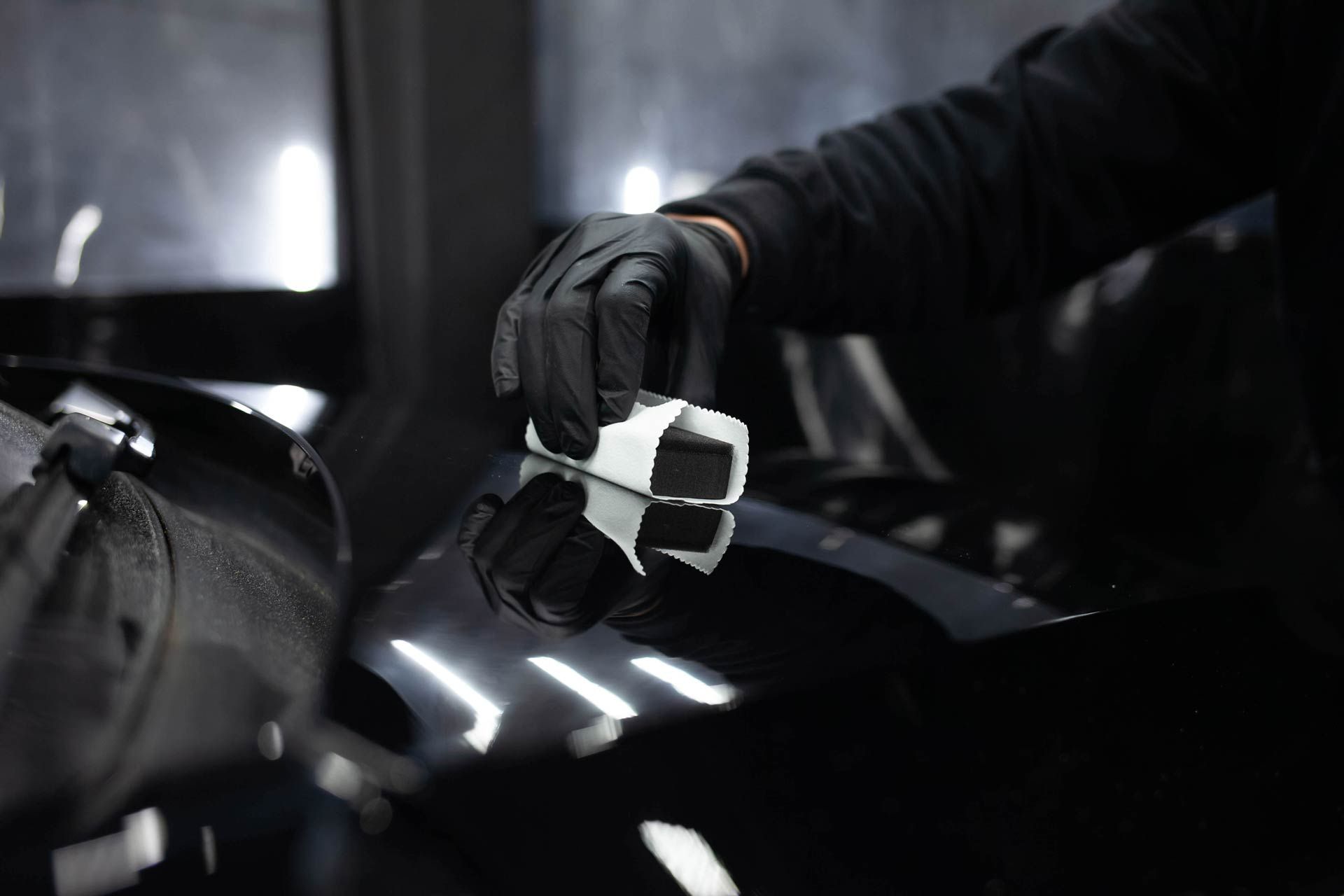
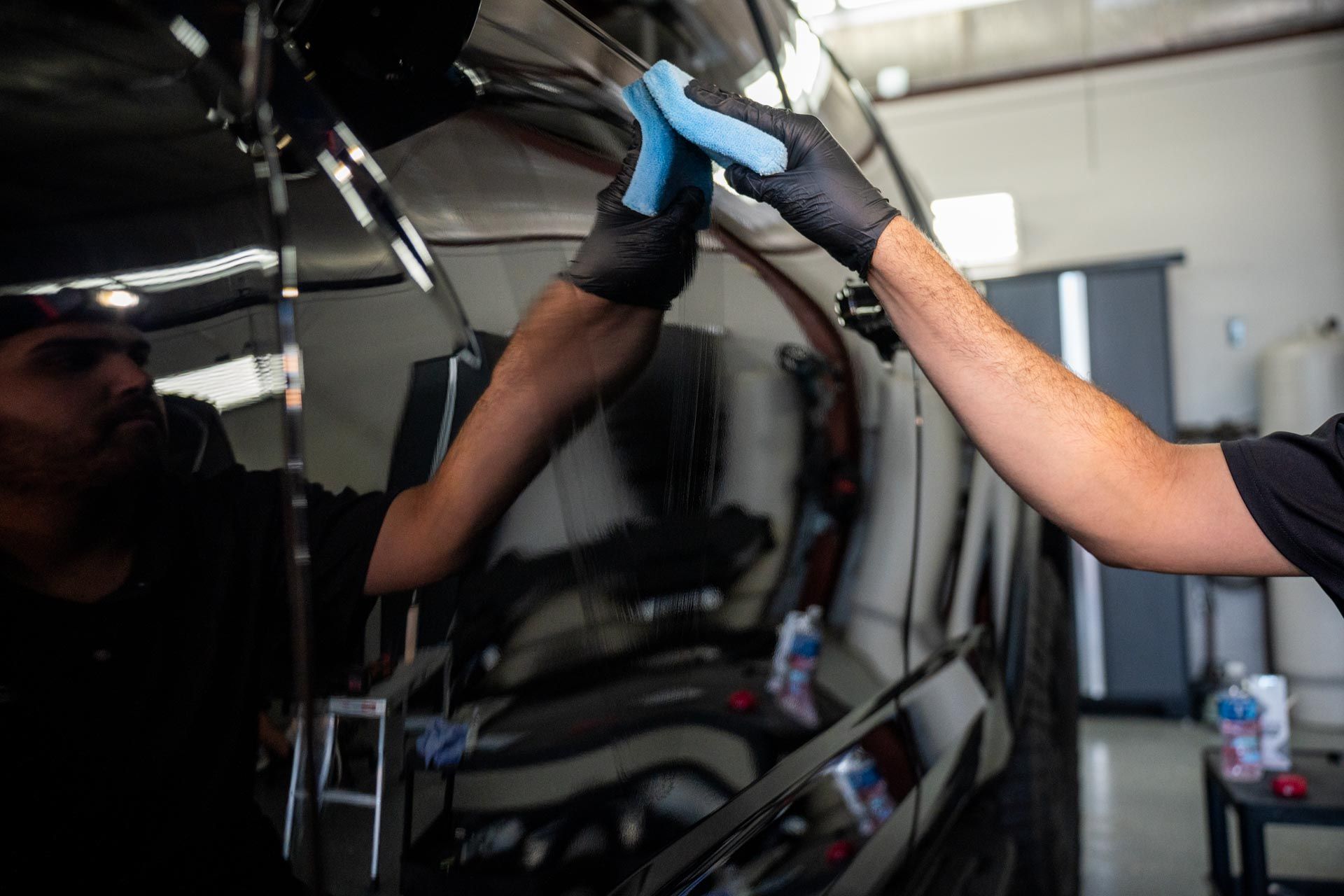
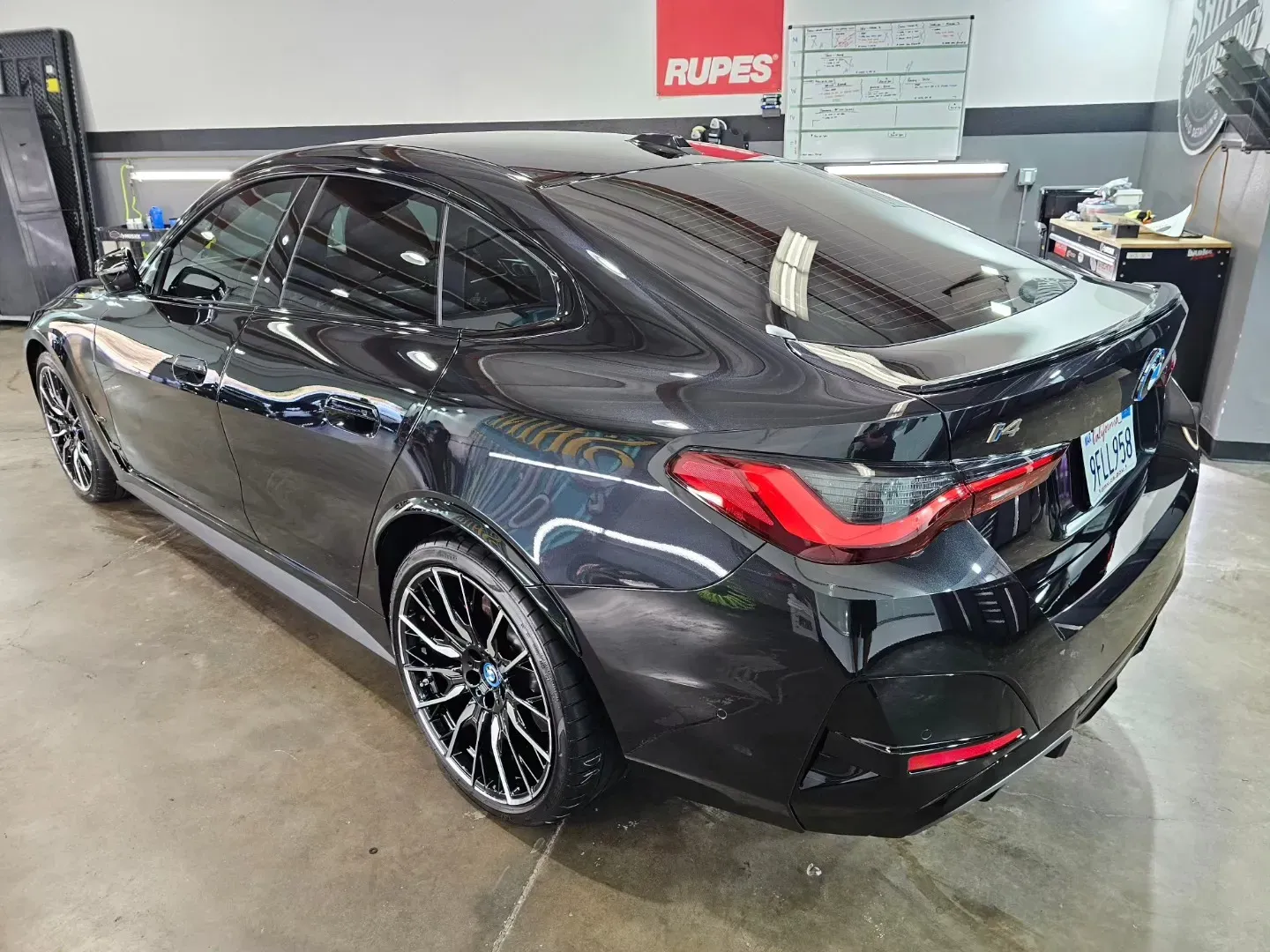
Ceramic coating is designed to form a durable, chemically bonded layer over the factory clear coat. At Shine Detailing, we reinforce this bond through an infrared curing process, applying controlled, direct heat after application to speed up curing and increase the hardness of the finish. This step helps the coating set into a denser, more stable layer before it is ever exposed to real-world summer conditions.
Unlike traditional waxes or sealants that sit on the surface and degrade quickly under heat, ceramic coatings maintain structural stability under high-temperature conditions.
Thermal Stability in Summer Conditions
One of the key advantages of ceramic coating is its ability to maintain performance under sustained heat exposure. Because we strengthen the coating's hardness with infrared curing before it goes on the road, this provides:
- Consistent surface protection during peak temperature periods
- Reduced breakdown compared to traditional surface products
- Improved resistance to environmental stress cycles
In real-world driving conditions, this means the paint remains protected even when exposed to prolonged sun and heat throughout the day.
Chemical Resistance Against Contaminants
Summer heat often activates contaminants, making them more reactive and adhesive to automotive surfaces. Ceramic coating reduces this impact by creating a slick, non-porous, hydrophobic layer.
This helps prevent:
- Organic staining from bird droppings
- Sap bonding into the clear coat
- Embedded road grime accumulation
Instead of penetrating the paint surface, contaminants are more likely to sit on top of the coating layer rather than bond into it, which makes routine washing more effective. It's worth noting that ceramic coating reduces how often aggressive cleaning is needed, but it does not eliminate the need for regular washing altogether.
Why UV Exposure Reduces Gloss and Depth in Summer
UV exposure does not only fade paint. It also reduces its visual depth, clarity, and reflective quality. Over time, this leads to a flat, less vibrant appearance.
In summer conditions, this effect becomes more pronounced due to:
- Extended daily exposure to direct sunlight
- Increased surface temperatures intensifying oxidation
- Continuous environmental stress from heat and dust
Ceramic Coating and Gloss Preservation
Ceramic coating helps maintain visual clarity by:
- Enhancing light reflection consistency
- Preserving depth and color richness
- Maintaining a smooth, high-gloss finish
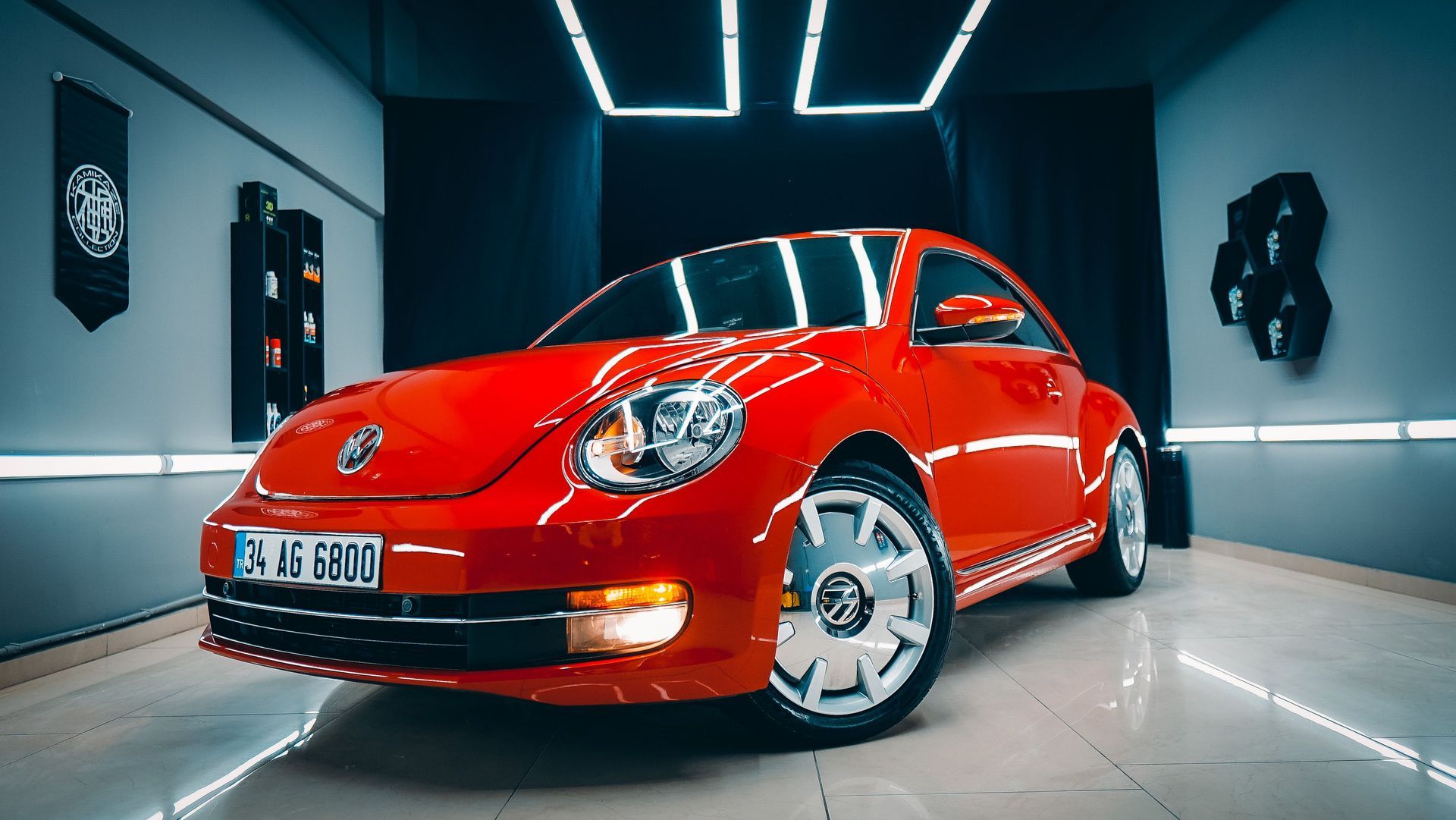
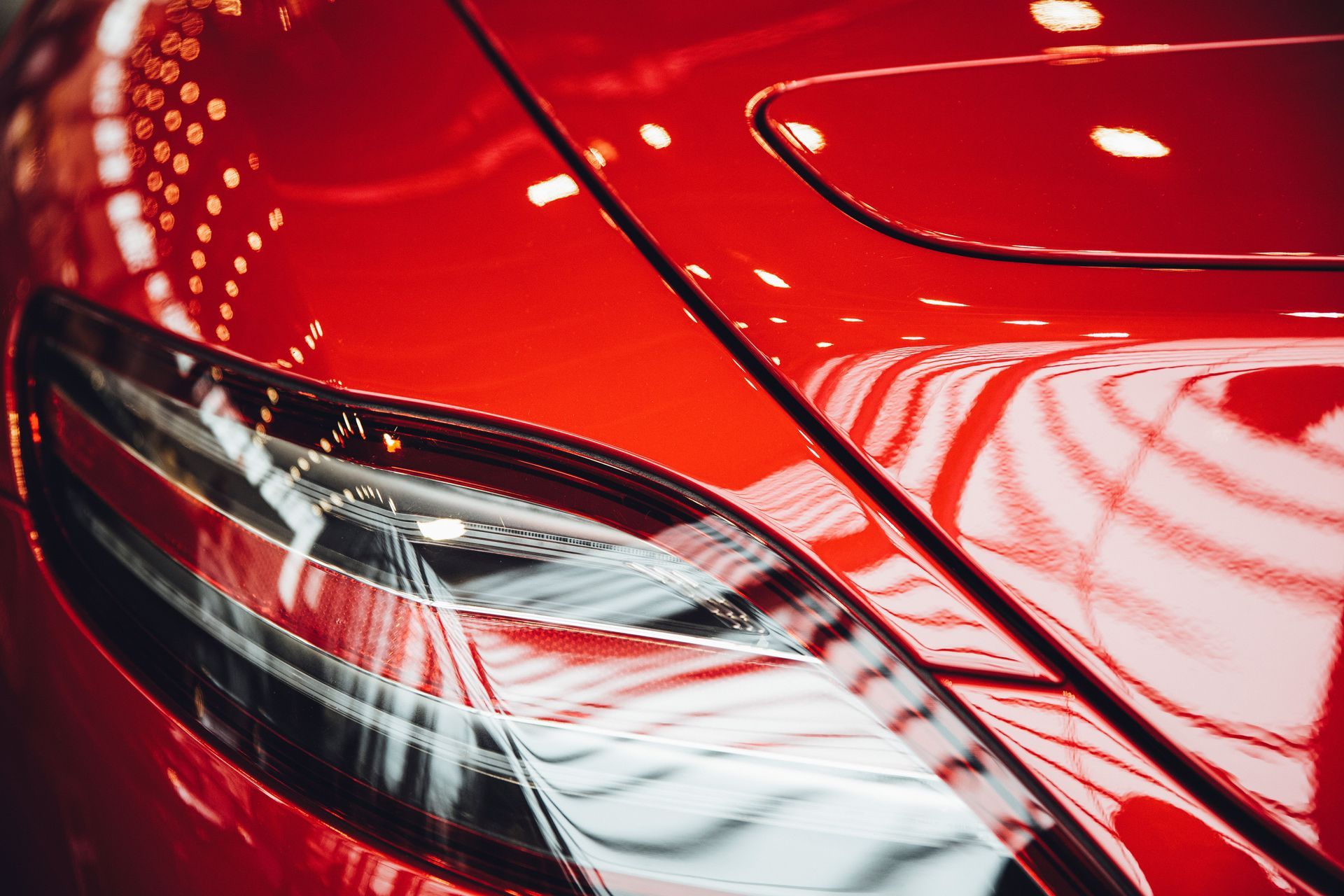
Rather than light scattering across a degraded surface, the coating fills in the minute pores of the paintwork, allowing light to reflect more evenly and preserving a cleaner, more refined appearance under harsh sunlight.
Real-World Driving Conditions in Southern California
For vehicle owners in Yorba Linda and surrounding communities, summer driving conditions introduce constant exposure to:
- Strong direct sunlight
- Heat reflection from asphalt and surrounding surfaces
- Airborne dust and contaminants
- Frequent parking in open environments
Without protection, these conditions gradually contribute to visible wear, dullness, and contamination buildup.
With ceramic coating, the surface behaves differently by:
- Reducing contaminant adhesion
- Supporting more effective, lower-effort cleaning maintenance
- Helping preserve long-term paint clarity
- Maintaining a more consistent exterior finish
This shift supports a preventative approach to vehicle care rather than reactive correction.
Why Ceramic Coating Is No Longer Just a Luxury
For many vehicle owners, ceramic coating was once viewed as an aesthetic enhancement. However, in climates with sustained heat exposure and UV intensity, it now serves as a functional protective layer.
Vehicles without protection are consistently exposed to:
- Faster surface degradation
- Increased maintenance requirements
- Reduced long-term finish quality
Ceramic coating helps stabilize the paint surface, reducing the impact of these environmental factors over time. It's worth noting that ceramic coating adds a layer of protection against minor scratches but is not entirely scratch-proof; for vehicles facing heavier road debris exposure, paint protection film offers more substantial physical protection.
Professional Application Matters
The performance of ceramic coating depends heavily on preparation and application quality. Without proper surface preparation, even premium coatings cannot perform as intended.
At Shine Detailing, we focus our application process on:
- Thorough surface decontamination prior to application
- Paint correction to refine surface clarity
- Even coating application for consistent coverage
- Infrared curing to strengthen bonding performance and finish hardness
This ensures the coating performs effectively under real-world summer conditions, not just controlled environments.
Additional Considerations for Long-Term Paint Protection in Summer Conditions
Beyond the immediate effects of heat and UV exposure, there are long-term factors that many vehicle owners often overlook when evaluating paint protection options. Summer conditions do not operate in isolation; instead, they compound existing wear patterns that develop throughout the year.
One of the most important considerations is the cumulative effect of daily exposure. Even short periods of parking under direct sunlight repeatedly contribute to gradual surface fatigue. Over time, this creates a layered impact where minor oxidation, light contamination, and micro-level surface dullness become more noticeable and harder to reverse without corrective detailing.
Another key factor is seasonal inconsistency. Vehicles may experience alternating periods of extreme heat, occasional rain, and dust accumulation. This cycle creates repeated expansion and contraction on the clear coat surface, which can weaken its long-term resilience if left unprotected. Ceramic coating helps create a more stable baseline for the paint surface throughout these fluctuations. Instead of reacting differently to every environmental change, the surface maintains a more controlled and uniform response. This stability is particularly valuable for daily-driven vehicles that do not have the benefit of controlled storage or indoor parking.
Final Thoughts
Summer heat in Southern California places continuous stress on automotive paint systems. UV exposure, oxidation, and heat-activated contaminants all contribute to gradual surface degradation that often goes unnoticed until it becomes more difficult to correct. Ceramic coating provides a durable, chemically bonded layer of protection that helps reduce these effects by stabilizing the paint surface and minimizing environmental bonding.
For vehicle owners in Yorba Linda and nearby areas, ceramic coating summer heat protection is not just about maintaining appearance. It is about long-term preservation and reducing cumulative damage over time.
One of the most important considerations is that small imperfections often become permanent under repeated heat cycles. Once the clear coat begins to degrade, restoration becomes significantly more complex than prevention.
Ceramic coating also supports more predictable, lower-effort maintenance routines, reducing the need for aggressive cleaning methods that can introduce additional surface wear over time. By maintaining a more stable and protected surface condition, vehicle owners can preserve both the visual quality and long-term value of their investment.
Protect Your Vehicle This Summer with Professional Ceramic Coating
If your vehicle is regularly exposed to intense sunlight, heat, and environmental contaminants, proactive protection becomes essential.
At Shine Detailing, we provide professional ceramic coating applications designed specifically for high-heat climates like Southern California. Every vehicle undergoes careful preparation and infrared curing to ensure optimal bonding, performance, and long-term durability.
Whether your goal is to preserve a new vehicle or restore clarity and gloss to an existing one, ceramic coating offers a reliable solution for long-term surface protection.
Schedule Your Ceramic Coating Consultation Today
Don't wait for oxidation, fading, or embedded contaminants to become permanent.
Contact Shine Detailing today to schedule your ceramic coating consultation and protect your vehicle against extreme summer conditions. Your vehicle deserves protection built for real-world heat, not just ideal conditions.
About the Author
Kelly H. Johnson
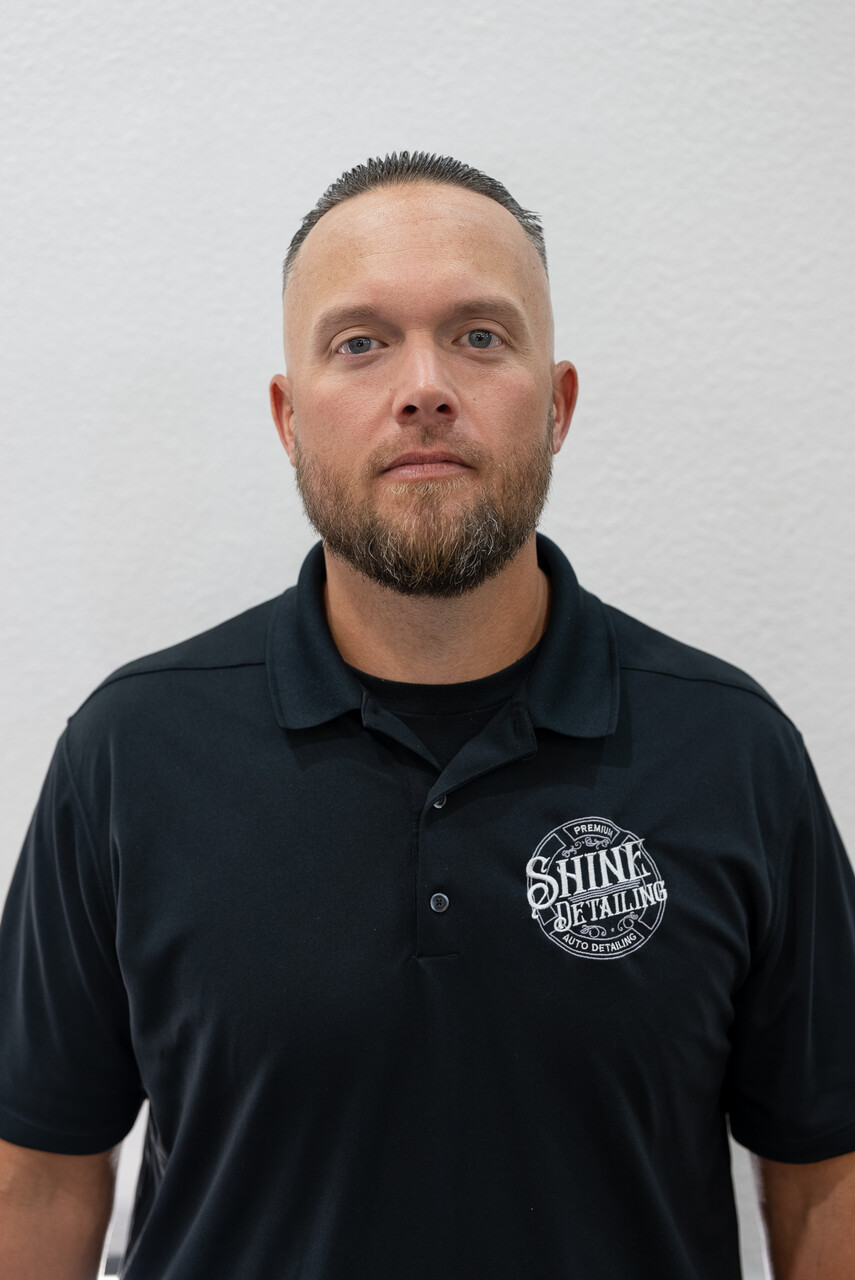
This post was written by Kelly H. Johnson, President of Shine Detailing LLC in Yorba Linda, California. A 15-year industry veteran, IDA Skills Validated professional, and certified installer across PPF, ceramic coating, and window tint, Kelly has trained nationally and been featured at SEMA and in HotRod Magazine. Follow along at @shinedetailingllc.