How Long Does Ceramic Coating Last in Yorba Linda?
Professional ceramic coating generally lasts two to five years or more, depending on the product, installation, exposure, and ongoing care. At Shine Detailing in Yorba Linda, CA, our ceramic coating options include 3-year and 5-year treatments. Those timeframes provide a starting point for planning, while your vehicle’s daily routine influences its actual performance over time.
A car parked outside throughout the workweek faces different conditions than one kept in a garage and driven occasionally. Washing methods, accumulated contamination, and maintenance choices also affect how well the coated surface performs.
Understanding these differences helps you set realistic expectations before installation. It also makes it easier to recognize when your coating needs routine care, professional attention, or eventual replacement.

What Does a Ceramic Coating’s Lifespan Actually Mean?
A coating’s advertised lifespan describes its expected service period under the applicable conditions. It does not mean the surface will behave identically every day until a specific anniversary.
Several characteristics contribute to how you experience the finish, including water repellency, ease of cleaning, and resistance to contamination. These qualities may change at different rates. A reduction in water beading, for example, does not automatically establish that every protective property has disappeared.
Ceramic coatings are durable, but they are not permanent. Depending on your vehicle’s exposure to the elements and your maintenance habits, you may need to reapply the coating every few years. That is why our packages are described by service period, not as lifetime protection.
For vehicle owners, the practical lesson is straightforward: evaluate the surface’s condition alongside its age. A calendar alone cannot show whether reduced performance comes from accumulated residue, a worn surface treatment, or deterioration requiring reapplication.
Understanding Our 3-Year and 5-Year Options
Our packages pair a 3-year ceramic coating with one-step paint correction and a 5-year coating with two-step correction. Both include clay-bar decontamination, iron fallout removal, and infrared curing. The 5-year option also includes a warranty, with details available from our detailer.
Choosing between them involves more than selecting the larger number. The 3-year package is designed for newer, lighter colored vehicles, while the 5-year package is designed for used or darker colored vehicles with heavier swirls.
Parking arrangements and your willingness to maintain the finish also matter. We can help you choose the right package when you request a quote or schedule an appointment.
Neither choice removes the need for washing. Before installation, ask about the recommended care routine and the warranty details on the 5-year package so you understand the commitment involved.
What Affects Ceramic Coating Longevity in Yorba Linda?
Time Spent in Direct Sunlight
Outdoor exposure to UV rays and other environmental factors is an important consideration when discussing coating life. However, there is no reliable formula that converts a certain number of hours in sunlight into a fixed reduction in durability.
Consider the full parking schedule. A vehicle might spend each night in a garage but remain in an uncovered employee lot all day. Another may sit outside overnight while spending working hours in a covered structure.
Both situations differ from continuous outdoor parking. Describing your actual routine provides a more useful basis for expectations than simply calling the car “garage kept.”
Heat Cycles and Surface Temperature
Vehicles repeatedly warm in sunlight and cool after sunset or when moved indoors. These temperature changes form part of the coating’s operating environment, but normal heat exposure should not be assigned an invented expiration date.
The immediate maintenance concern is working on hot panels. Cleaning products can dry before you finish using them, making proper washing more difficult. This can encourage extra wiping or repeated cleaning attempts.
Allowing the exterior to cool and working in shade helps you follow product directions consistently. That approach supports careful maintenance without assuming a coating makes the finish unaffected by temperature.
Outdoor Versus Garage Parking
Covered storage reduces the time a vehicle spends exposed to outdoor conditions. It can also reduce the amount of material settling onto the exterior between washes.
Outdoor parking remains compatible with ceramic coating, but it calls for closer attention to surface cleanliness. A car that regularly collects dust and residue may require a different washing schedule than an occasionally driven vehicle stored indoors.
A garage is helpful, but it does not replace maintenance. Road use still introduces contamination, and particles can remain on the finish after the vehicle is parked.
Washing Frequency and Technique
How you wash matters alongside how often you wash. Frequent cleaning with dirty equipment or excessive pressure can create avoidable wear. Long gaps between washes can allow residue to accumulate until more involved cleaning becomes necessary.
There is no single interval suitable for every coated vehicle. Your schedule should reflect actual use, visible contamination, and the instructions for your coating.
Ceramic coatings make cleaning easier, but regular washes are still necessary to remove accumulated dirt and grime. That gives you a foundation, while the specific coating’s instructions should guide your routine.
Why Preparation and Curing Matter to Long-Term Results
A coating’s service life begins with its application conditions. Residue left on the paint can interfere with preparation, while careless installation can produce an uneven finish.
Surface cleaning and decontamination, including clay bar and iron fallout remover, prepare the exterior for the coating. Paint correction (Level 1 or Level 2, depending on the package) addresses existing defects before the protective treatment is applied. These steps serve different purposes, and their scope should reflect the vehicle’s condition.
After application, curing deserves the same attention as installation. We use infrared curing, which applies controlled heat to speed curing and increase the hardness of the finish. A vehicle being ready for collection does not necessarily mean every restriction on washing or chemical exposure has ended.
Ask your detailer about care and curing for your particular treatment. Avoid substituting a generic online waiting period, because coating systems and installation procedures vary. Writing down what you are told makes it easier to reference during the first washes.

How to Help Your Ceramic Coating Reach Its Expected Lifespan
Use a Consistent, Gentle Washing Routine
Build a routine that fits your vehicle’s exposure and your available time. A manageable schedule you follow consistently is more useful than an ambitious plan that leaves the exterior neglected for long stretches.
Good washing habits include:
- Rinsing away loose dirt before making contact with the paint.
- Using clean wash media and a coating-compatible shampoo.
- Working on cool panels in a shaded area.
- Drying with clean, soft towels and minimal pressure.
- Following dilution and application instructions for each product.
Avoid wiping a dusty vehicle simply to improve its appearance between washes. Without adequate cleaning and lubrication, that shortcut can drag particles across the finish.
Address Residue Before Cleaning Becomes Difficult
Remove fresh contamination using an appropriate method rather than leaving it until the next convenient wash. Gentle treatment is preferable to forceful rubbing once material has become difficult to release.
If normal washing does not remove something, repeatedly scrubbing the same area is unlikely to be the best next step. The appropriate response depends on what remains and which products are compatible with the coating.
This is particularly relevant for busy owners who want predictable upkeep. Dealing with a small cleaning issue early can help prevent a rushed, aggressive attempt later.
Avoid Unnecessary Polishing
Polishing and paint correction are steps done before the coating is applied. They should not be treated as routine maintenance whenever the surface feels less slick or looks less glossy.
Changes in appearance may come from material sitting on top of the finish. Cleaning and evaluation should come before deciding that abrasion is necessary.
Likewise, applying several unrelated products can make performance harder to interpret. A spray treatment may temporarily change water behavior without revealing the condition underneath. Use compatible products with a clear purpose instead of adding layers whenever the finish seems different.
Does Reduced Water Beading Mean the Coating Has Failed?
Water behavior is useful to observe, but it is only one indicator. Dirt, road film, and other deposits can interfere with the surface’s ability to repel water.
Our coatings create a hydrophobic surface that beads water, which is why this indicator is worth watching. Checking for surface buildup first is still wise before assuming replacement is required.
Compare performance after proper cleaning under similar conditions. Looking at a dirty hood one week and a freshly washed door the next does not provide a dependable comparison.
Also consider the broader pattern:
- Is the vehicle becoming harder to clean?
- Does residue remain despite an appropriate wash?
- Are changes limited to particular areas?
These observations help guide an assessment. They should not be used to calculate an exact amount of remaining life or to diagnose the coating from a single photograph.
When Should You Consider Reapplication?
Reapplication becomes a reasonable consideration when the finish no longer provides satisfactory performance after suitable cleaning and evaluation.
Age provides context. If the coating is approaching its expected service period and remains difficult to maintain after proper care, replacement may be appropriate. If performance changes much earlier, investigating the cause should come first.
Our thorough evaluation can help distinguish among:
- Contamination masking the surface’s normal behavior.
- Wear from exposure to the elements.
- Changes associated with washing or chemical use.
- Deterioration that warrants preparing and recoating the paint.
There is no need to wait for the exterior to look severely neglected. At the same time, a temporary drop in slickness does not automatically justify starting over. The condition of the cleaned surface should guide the decision.
Questions to Ask Before Choosing a Coating
A useful consultation connects the treatment to your ownership plans. Explaining how you use and store the vehicle helps establish realistic expectations.
Questions worth covering include:
- Which coating option suits the current paint condition?
- What care instructions apply immediately after installation?
- Which washing products are compatible?
- What maintenance does the selected treatment require?
- What does the warranty on the 5-year package cover?
- How should changes in performance be evaluated?
Keep a record of the installation date, selected treatment, aftercare directions, and subsequent maintenance. If concerns develop later, those details provide better context than trying to remember which products were used months earlier.
Plan for Lasting Performance With Shine Detailing
Ceramic coating longevity depends on the treatment you choose and the care it receives throughout ownership. For Yorba Linda drivers, realistic expectations begin with an honest look at parking exposure, washing habits, and daily use.
A coating can support easier cleaning and provide water repellency and resistance to UV rays and oxidation, but it still needs attention. It also is not scratch-proof, and paint protection film offers more substantial protection against scratches and debris.
Schedule an appointment with us to discuss your vehicle’s condition, compare our ceramic coating options, and ask about our ceramic coating maintenance detailing package!
About the Author
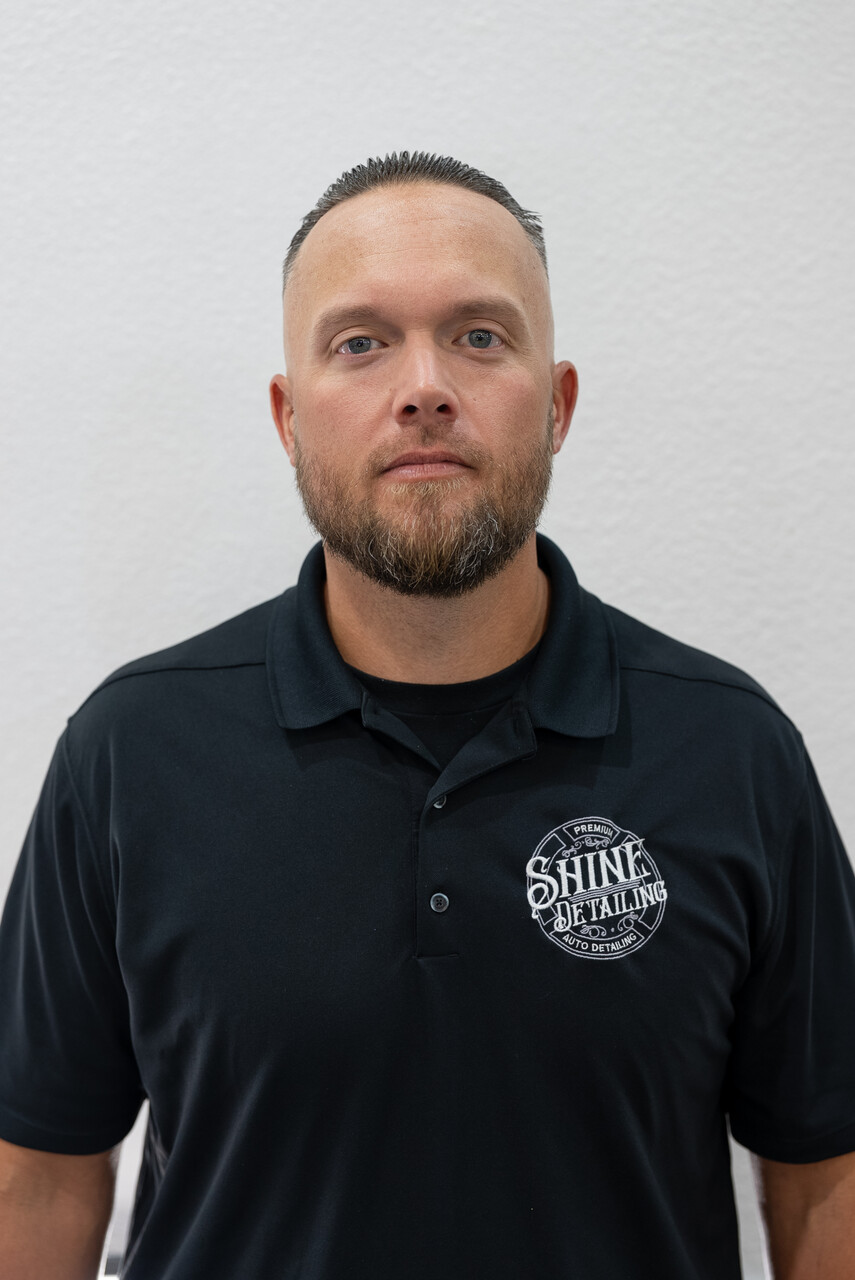
Kelly H. Johnson
This post was written by Kelly H. Johnson, President of Shine Detailing LLC in Yorba Linda, California. A 15-year industry veteran, IDA Skills Validated professional, and certified installer across PPF, ceramic coating, and window tint, Kelly has trained nationally and been featured at SEMA and in HotRod Magazine. Follow along at @shinedetailingllc.