
The Role of Ceramic Coating in Reducing Water Spotting
There's nothing quite as frustrating as washing your car to perfection, only to have the relentless Yorba Linda sun bake stubborn water spots into your paint before you can even finish drying. If you've experienced this maddening cycle, you're not alone. Water spotting is one of the most common paint complaints among vehicle owners in Southern California, where hard water and intense UV exposure create the perfect storm for mineral deposits.
At
Shine Detailing, we've been helping luxury vehicle owners and daily drivers across Orange County protect their investments since 2018. As an IDA-certified shop, we're often asked one critical question: "Does
ceramic coating prevent water spots?" The answer requires a bit of nuance, but here's the truth: while no coating is 100% spot-proof, ceramic coating is the most effective defense available against water spotting and the paint damage it causes.
Let's dive into the science behind water spots, how ceramic coating changes the equation, and what you can realistically expect from this advanced paint protection solution.
What Actually Causes Water Spots on Your Car?
Before we can understand how ceramic coating helps, we need to understand the enemy. Water spots aren't just an aesthetic nuisance; they're a chemical attack on your clear coat.
When water evaporates from your car's surface, it leaves behind mineral deposits, primarily calcium and magnesium. These minerals create the visible white or cloudy spots you see after washing or rainfall. The problem intensifies when heat accelerates evaporation, concentrating these minerals in smaller areas and essentially baking them onto your paint.
Hard Water vs. Rainwater in Southern California
Not all water is created equal. Southern California, including Yorba Linda and surrounding Orange County areas, is notorious for hard water (water with high concentrations of dissolved minerals). Your home's sprinkler system, garden hose, and even some commercial car washes use this mineral-rich water.
Rainwater, while generally softer, picks up contaminants as it falls through the atmosphere and runs across your vehicle. During our dry seasons, that first rain after months of drought can leave particularly stubborn spots as it carries atmospheric pollutants onto your paint.
The combination of hard water and our intense sun creates a particularly aggressive environment for automotive paint in our region.
Why Water Spots are Dangerous for Your Clear Coat
Here's where things get serious. Water spots aren't just sitting on top of your paint; they're actively damaging it through a process called etching. When minerals bond with your clear coat under heat and UV exposure, they don't just stain the surface; they create microscopic craters in the protective layer. This etching permanently damages the clear coat, creating a rough texture that dulls your paint's gloss and can ultimately compromise the protective barrier between your base coat and the elements.
Once etching occurs, simple washing won't remove it. You'll need professional paint correction to restore the surface (a process involving careful polishing to remove the damaged layer of clear coat). Prevention, as you might imagine, is far more cost-effective than correction.
How Ceramic Coating Changes the Equation
Ceramic coating represents a revolutionary approach to car paint protection, and its ability to reduce water spotting is one of its most valued benefits.
Modern ceramic coatings use nano-technology to create a chemically bonded protective layer over your vehicle's clear coat. This isn't a wax that sits on top of the paint or a sealant that fills scratches temporarily. It's a semi-permanent sacrificial layer that becomes part of your vehicle's exterior surface, filling microscopic pores in the paint to create an incredibly smooth, glass-like finish.
The Power of Hydrophobicity
The secret weapon of ceramic coating is its hydrophobic properties (literally, "water-fearing" characteristics) that dramatically change how water interacts with your paint.
A quality ceramic coating creates contact angles of 110 degrees or higher. To put that in perspective, untreated automotive paint typically has a contact angle around 70-80 degrees. This higher contact angle means water forms tighter, rounder beads that are far less stable on the surface.
Instead of spreading out into flat puddles that evaporate slowly (leaving minerals behind), water on a ceramic-coated surface beads up into spherical droplets that roll off with minimal encouragement: gravity, a gentle breeze, or simply the movement of your vehicle. When water rolls off rather than evaporating, it takes those mineral deposits with it, preventing them from bonding to your clear coat.
Reducing Surface Tension to Prevent Mineral Bonding
Beyond just encouraging water to bead and shed, ceramic coating reduces the surface tension that allows minerals to bond with your paint.
The ultra-smooth surface created by the coating provides fewer anchor points for mineral deposits. Think of it like the difference between trying to stick something to glass versus trying to stick it to sandpaper. The microscopic peaks and valleys in untreated clear coat give minerals plenty of places to lodge and bond. The smooth ceramic surface offers far less purchase.
This means that even when water does evaporate from a coated surface, the mineral deposits sit on top of the coating rather than bonding with it. This positioning makes all the difference when it comes to removal.
Does Ceramic Coating Completely Eliminate Water Spots? (The Truth Section)
Let's address this head-on with honesty and transparency, because managing expectations is crucial for customer satisfaction and long-term trust.
No, ceramic coating does not completely eliminate the possibility of water spots. If hard sprinkler water sits on your black hood in the middle of a Yorba Linda afternoon, you can still get water spots. If your vehicle is parked under a tree during a rainstorm and those water droplets sit for days, minerals can still be deposited.
However (and this is the critical difference), the nature of those water spots changes dramatically on a ceramic-coated vehicle.
On an uncoated car, minerals etch into the clear coat itself, requiring aggressive correction to remove. On a ceramic-coated car, minerals sit on top of the coating, which acts as a sacrificial layer. This means:
- Easier removal: Most water spots can be wiped away with a damp microfiber cloth or removed during your next maintenance wash
- No etching: The coating protects your actual clear coat from the mineral bonding that causes permanent damage
- Longer grace period: You have more time to remove water before spots become problematic
- Less frequent correction: Dramatically reduced need for professional paint correction services
Think of ceramic coating as a shield rather than an invisibility cloak. It doesn't make water spots impossible, but it transforms them from a paint emergency into a minor maintenance issue.
Benefits of Ceramic Coating Beyond Water Spot Resistance
While we're focused on water spotting today, it's worth noting that ceramic coating delivers numerous additional benefits that make it a comprehensive paint protection solution:
UV Protection: Southern California sun is relentless. Ceramic coating provides a barrier against UV damage that causes oxidation and fading, keeping your paint vibrant for years longer.
Chemical Resistance: Bird droppings, bug splatter, tree sap, and road salt all contain acids and chemicals that attack your paint. The coating creates a resistant barrier that prevents these contaminants from bonding with your clear coat.
Enhanced Gloss: The smooth, reflective surface amplifies your paint's depth and gloss, giving even older vehicles a showroom appearance.
Easier Cleaning: Dirt, grime, and road film have difficulty bonding to the slick ceramic surface, meaning contamination rinses away more easily during washing and your car stays cleaner between washes.
Maintennce Tips: Keeping Your Coating Spot-Free
Ceramic coating dramatically reduces water spotting, but pairing it with smart maintenance practices maximizes its effectiveness. Here's how to keep your coated vehicle in optimal condition:
Dry Immediately After Washing: Don't let water air dry on your vehicle, even with a coating. Use a high-quality microfiber drying towel or a leaf blower to remove standing water before it can evaporate and leave minerals behind. This simple step prevents most water spotting issues.
Use pH-Neutral Car Wash Soaps: Harsh detergents and alkaline soaps can degrade your ceramic coating over time. Stick with pH-neutral products specifically formulated for ceramic-coated vehicles to preserve the coating's hydrophobic properties.
Address Spots Promptly: If you notice water spots forming, address them quickly while they're still on the surface. A damp microfiber cloth and gentle wiping is usually sufficient for fresh spots on a coated surface.
Avoid Automatic Car Washes: The harsh brushes, strong chemicals, and recycled water in many automatic car washes can damage your coating and leave heavy mineral deposits. Hand washing or touchless methods are always preferable.
Schedule Professional Maintenance Washes: At Shine Detailing, we offer professional maintenance wash services designed specifically for ceramic-coated vehicles. We use deionized water when possible and proper drying techniques to ensure your coating performs at its best.
Park Strategically: When possible, park away from sprinklers and avoid areas where water will pool on your vehicle. While coating helps tremendously, prevention is still your first line of defense.
Consider a Coating Booster: Many ceramic coating manufacturers offer spray maintenance products that refresh the hydrophobic properties between professional applications. Ask us about the right products for your specific coating.
Why Professional Application Matters: The Shine Detailing Difference
You might see DIY ceramic coating kits at auto parts stores and wonder if they're a cost-effective alternative to professional application. While we support vehicle owners taking pride in their cars, there's a significant difference between consumer-grade products and professional ceramic coating.
Preparation is Everything: The most critical phase of ceramic coating isn't the application; it's the preparation. You cannot successfully coat over existing water spots, swirl marks, or contamination. At Shine Detailing, we begin every ceramic coating service with a comprehensive decontamination phase that includes:
- Iron decontamination to remove embedded rail dust and brake dust
- Clay bar treatment to remove bonded surface contaminants
- Professional paint correction to eliminate existing water spots, swirl marks, and scratches
- Final paint preparation to ensure perfect bonding
This preparation phase can take as long as the coating application itself, and it's what separates a coating that lasts months from one that lasts years.
Professional-Grade Products: As an IDA-certified shop since 2018, we have access to commercial-grade ceramic coatings that aren't available to consumers. These products offer superior durability, stronger hydrophobic properties, and longer-lasting protection than retail alternatives.
Controlled Application Environment: Ceramic coatings are sensitive to temperature, humidity, and contamination during curing. Our facility provides the controlled environment necessary for optimal bonding and curing, something that's nearly impossible to achieve in a home garage.
Experience and Technique: Proper ceramic coating application requires specific techniques to ensure even coverage, avoid high spots, and achieve perfect bonding. Our technicians have completed hundreds of applications across every type of vehicle and paint condition.
Warranty and Support: Professional application comes with warranty protection and ongoing support. We're here to answer questions, provide maintenance guidance, and address any concerns that arise during the life of your coating.
Local Expertise: Serving Yorba Linda, Anaheim Hills, Irvine, Brea, and surrounding Orange County communities means we understand the specific environmental challenges your vehicle faces, from our hard water to our intense UV exposure to our unique mix of urban and suburban conditions.
Final Thoughts: Protecting Your Investment in Yorba Linda
Water spotting is more than a cosmetic annoyance; it's a genuine threat to your vehicle's paint and long-term value. In Southern California's challenging environment, where hard water meets relentless sun, unprotected paint faces a constant battle against mineral deposits and etching.
Ceramic coating transforms that battle by creating a hydrophobic, chemically resistant sacrificial layer that changes how water interacts with your paint. While it doesn't make water spots impossible, it makes them manageable, removable, and far less damaging to your vehicle's finish.
The investment in
professional ceramic coating pays dividends through easier maintenance, longer-lasting paint protection, and peace of mind knowing that your vehicle (whether it's a luxury car or your daily driver) has the best defense against water spotting and the elements.
At Shine Detailing, we've built our reputation on transparency, quality, and results. We won't promise perfection, but we will deliver the most effective paint protection available, applied by certified professionals who understand both the science of ceramic coating and the specific needs of Orange County vehicle owners.
Don't let hard water ruin your car's finish.
Contact Shine Detailing today for a professional ceramic coating consultation in Yorba Linda. Our team is ready to assess your vehicle's current condition, recommend the right protection solution, and deliver the meticulous preparation and application that ensures years of reliable performance. Protect your investment with the local experts who've been serving our community since 2018.
About the Author
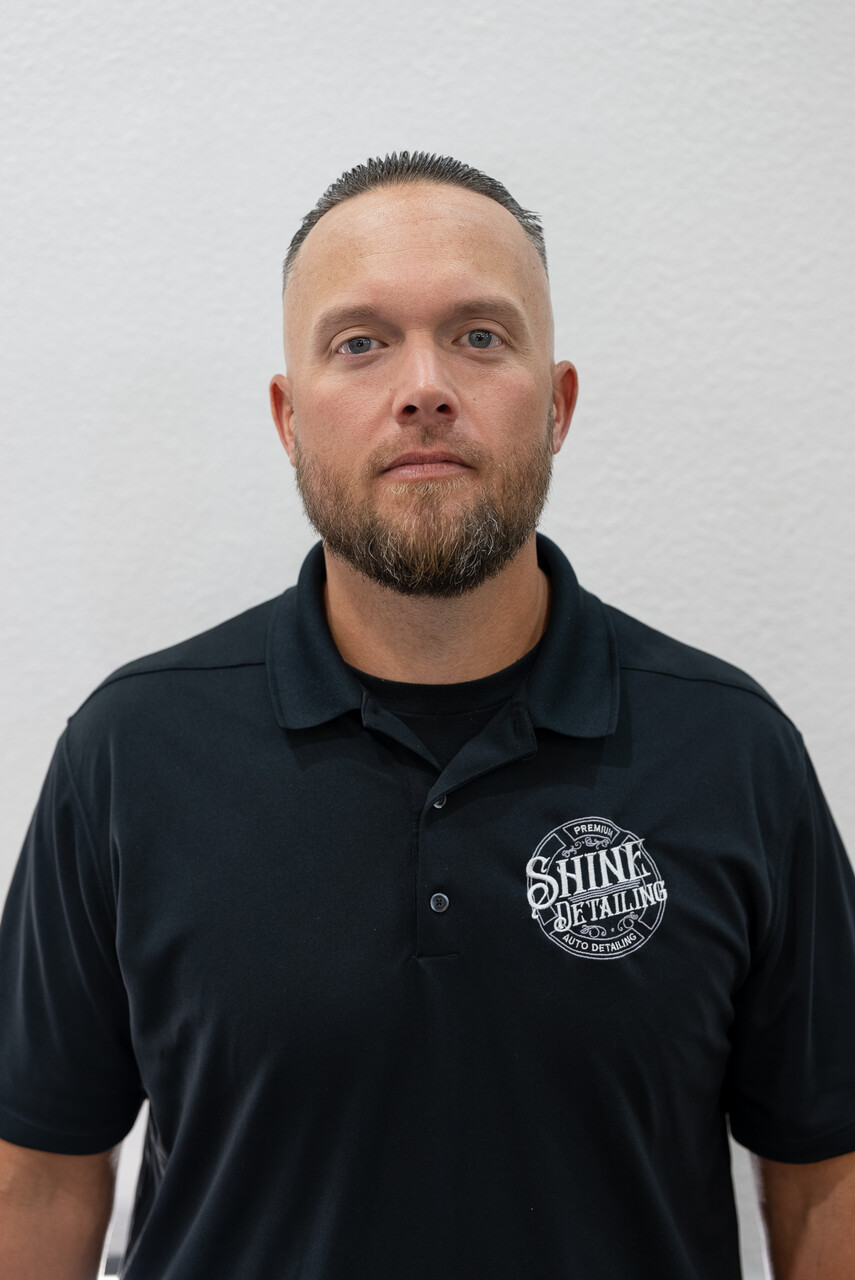
Kelly H. Johnson
This post was written by Kelly H. Johnson, President of Shine Detailing LLC in Yorba Linda, California. A 15-year industry veteran, IDA Skills Validated professional, and certified installer across PPF, ceramic coating, and window tint, Kelly has trained nationally and been featured at SEMA and in HotRod Magazine. Follow along at @shinedetailingllc.