
Top Tips For Maintaining Paint Protection Film
You've made a smart investment in Paint Protection Film, and now it's time to protect that investment. While PPF provides exceptional defense against rock chips, scratches, and environmental damage, its longevity depends entirely on how you care for it. With proper maintenance of paint protection film, you can extend your film's lifespan from the standard 5 years to well over a decade, preserving both its clarity and self-healing properties.
At Shine Detailing, we advocate for a "low-friction" maintenance philosophy: gentle, consistent care that works with your film's advanced properties rather than against them. Whether you're protecting a luxury vehicle or your daily driver, these expert PPF care tips will help you maintain that showroom finish for years to come.
The Critical Curing Window: Your First 7 to 14 Days
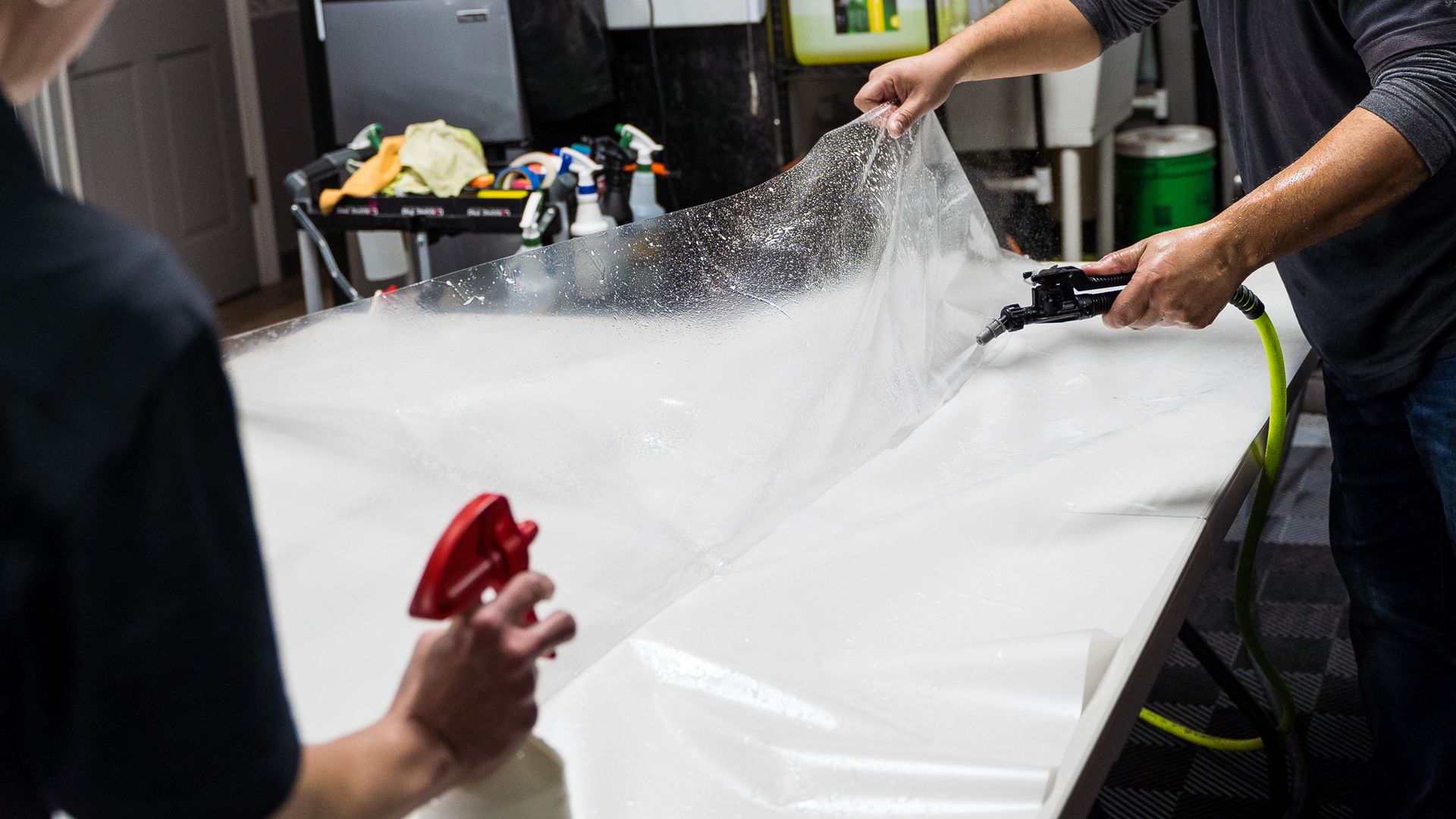
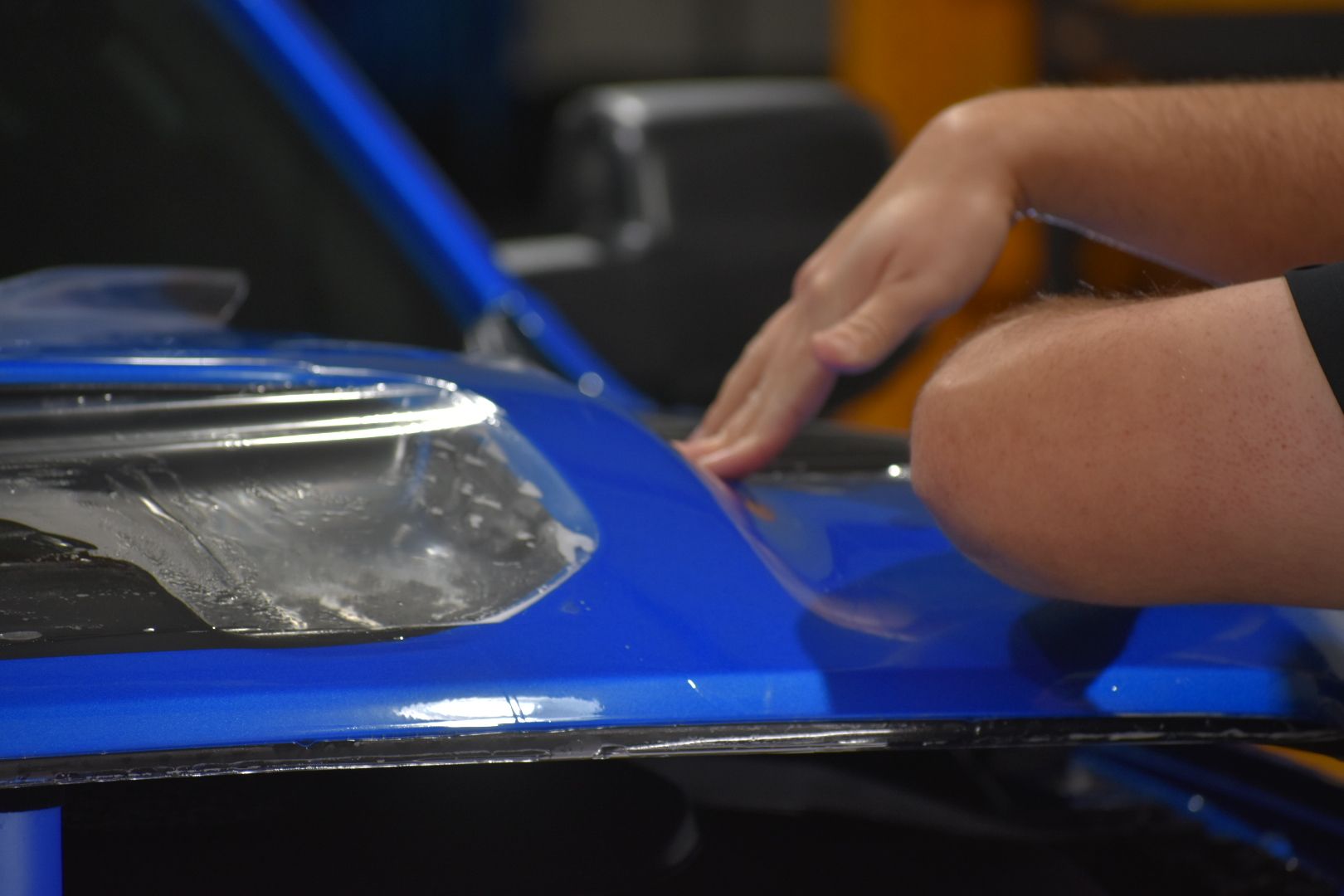
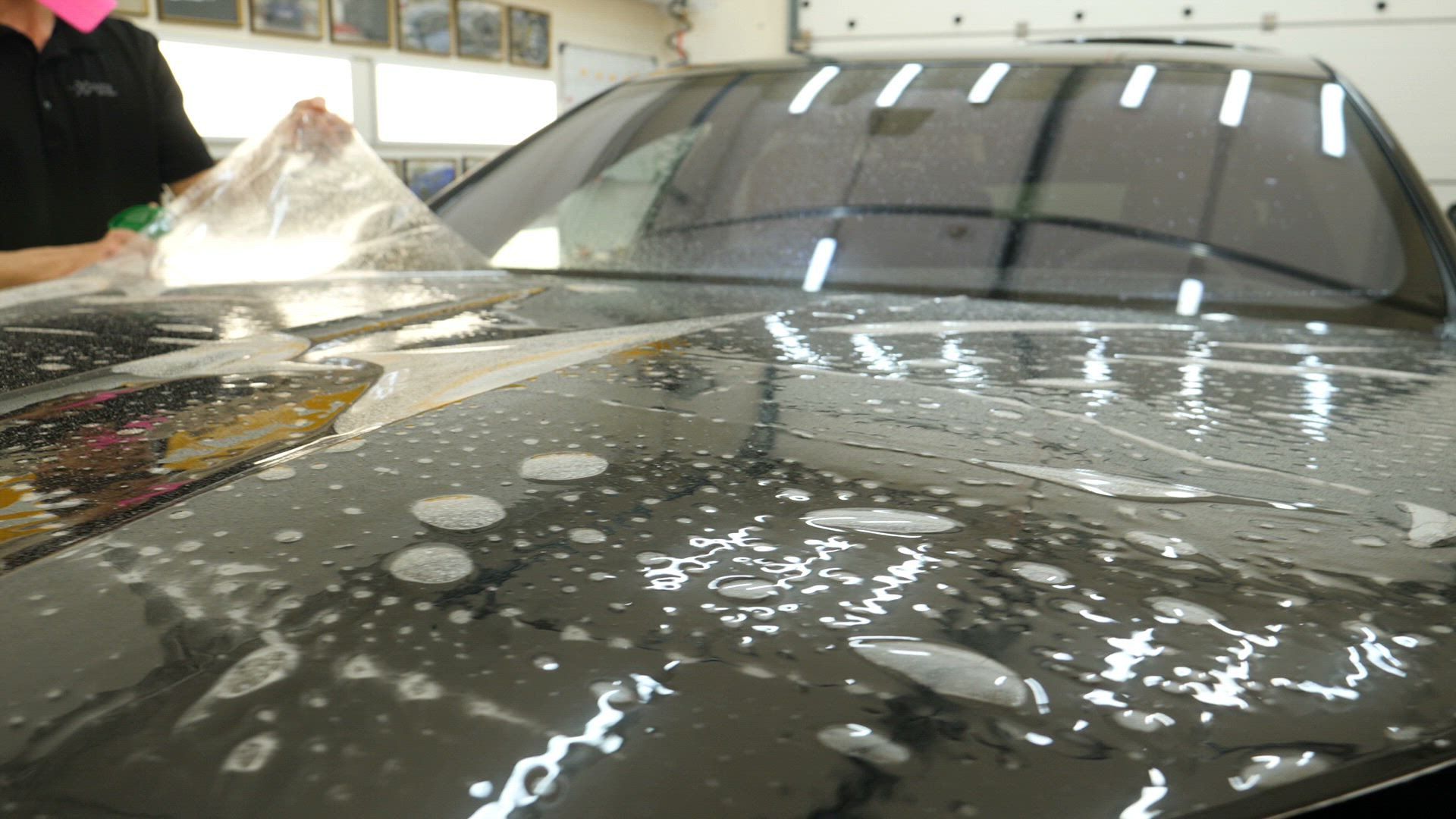
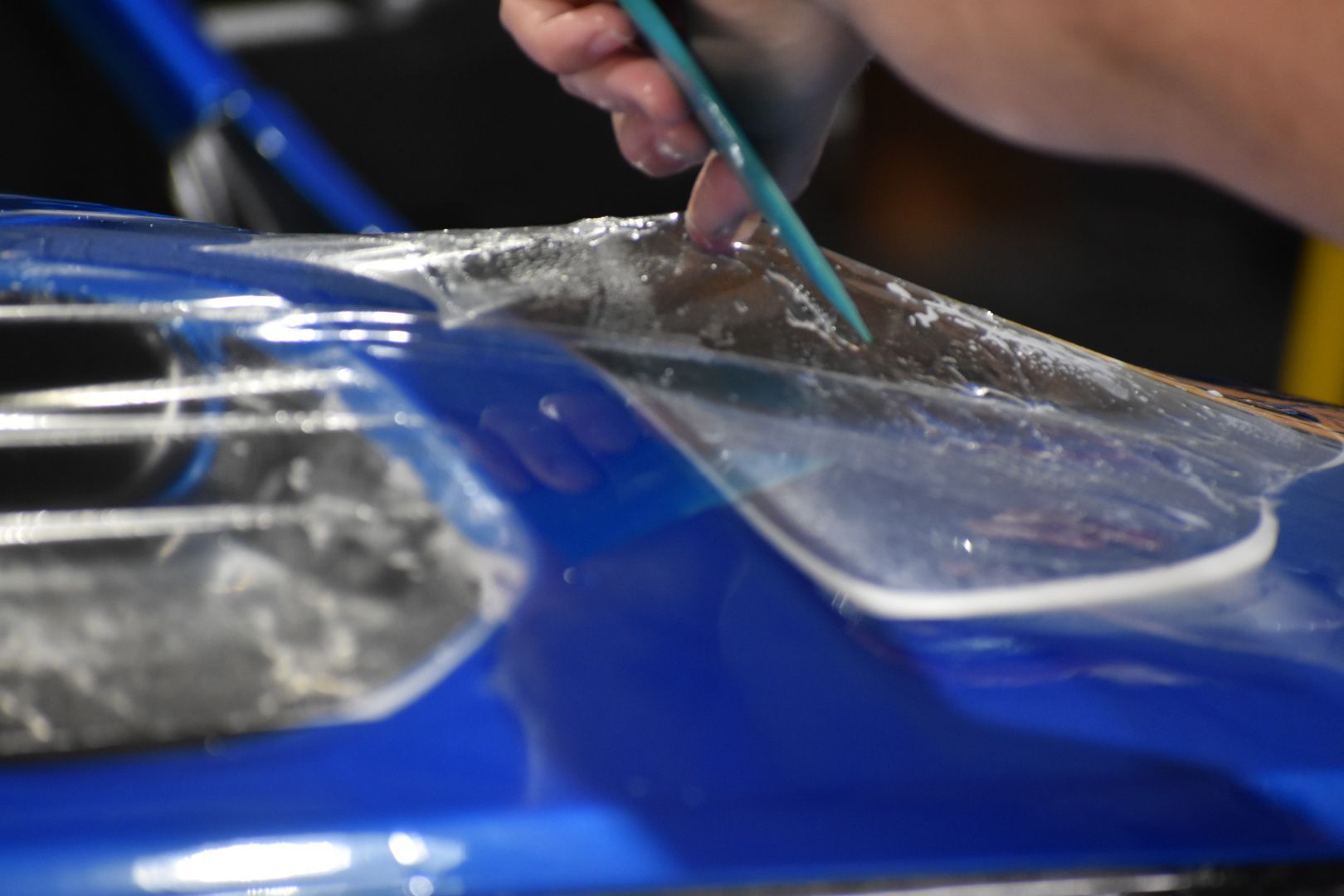
The most important phase of PPF ownership begins the moment you drive off our lot. During the first 7 to 14 days after installation, your paint protection film undergoes a crucial curing process. The adhesive layer beneath the film needs time to fully bond with your vehicle's paint, while residual moisture from the installation process slowly evaporates.
During this critical window:
Wait to wash. Resist the temptation to clean your vehicle for at least seven days, and ideally wait the full two weeks. The film needs this time to achieve maximum adhesion strength. Any washing during this period (especially high-pressure washing) risks compromising the bond between the film and your paint.
Don't panic about bubbles. Small moisture bubbles trapped beneath the film are completely normal and will disappear as the film cures. Never attempt to "pop" or pick at these bubbles, as doing so can create permanent damage or introduce contaminants beneath the film.
Keep conditions optimal. Park your vehicle in a garage or covered area where temperatures remain between 60°F and 90°F. Avoid long road trips or high-speed highway driving immediately after installation, as excessive wind force can stress the film before it's fully adhered.
Skip the automatic wash. Even after the curing period, automatic car washes should be permanently off your list, but they're especially harmful during these first crucial weeks.
The Gold Standard: The Shine Detailing Wash Routine
Once your PPF has fully cured, establishing a proper hand washing PPF routine becomes your most important maintenance task. The right technique preserves your film's hydrophobic properties and prevents the micro-scratches that diminish its clarity over time.
The Two-Bucket Method
This time-tested approach prevents contamination from re-entering your wash process:
Set up two 5-gallon buckets: one with your pH-neutral car soap solution and one with clean rinse water. Place a grit guard in the bottom of each bucket to trap dirt particles. Before you begin washing, pre-rinse your vehicle thoroughly with a foam cannon or gentle stream to remove loose debris.
Working from top to bottom in small sections, dip your microfiber wash mitt into the soap bucket, wash a panel, then rinse the mitt in your clean water bucket before returning to the soap. This simple discipline prevents dirt from being dragged across your PPF, which is the primary cause of swirl marks even on protected surfaces.
Choosing the Right Soap
Not all car shampoos are PPF-safe. Your cleaning agent must be pH-neutral, solvent-free, and contain no petroleum distillates. These are harsh chemicals that can degrade the film's thermoplastic urethane composition over time.
Premium options like Meguiar's Hyper Wash or Gyeon PPF Wash are specifically formulated to clean effectively without compromising your film's protective top coat. These pH-neutral shampoos maintain the film's hydrophobicity and won't strip away any ceramic coating for PPF you may have applied.
The Art of Drying
How you dry your vehicle is just as important as how you wash it. Never drag a towel across your PPF. This friction, even with microfiber, can create the very scratches you're trying to avoid.
Instead, use a dedicated car dryer or leaf blower to remove the majority of water without any contact. For remaining droplets, gently pat the surface with a plush, clean microfiber drying towel. This contact-free or minimal-contact approach preserves your film's pristine finish wash after wash.
Specialized Care for PPF Features
Modern paint protection film isn't just a passive barrier. It's an engineered surface with active properties that require specific care techniques to maximize performance.
Activating Self-Healing Properties
One of PPF's most remarkable features is its ability to "heal" minor scratches and swirl marks through heat activation. The film's thermoplastic top layer responds to warmth by flowing back into its original smooth state, effectively erasing imperfections.
To activate these self-healing properties, wash your vehicle with warm water between 100°F and 110°F, or simply park in direct sunlight on a warm day. You'll often see minor scratches disappear within minutes as the film's molecular structure realigns. This remarkable capability is why gentle washing matters: you're allowing the film to do the work of maintaining its appearance rather than fighting against surface damage.
The 24-Hour Rule for Contaminants
While PPF provides excellent UV resistance and chemical protection, acidic contaminants can still cause staining if left on the surface too long. Bird droppings, bug splatter, and tree sap all contain acids that, given enough time, can etch through the film's protective layer.
Implement the 24-hour rule: remove any organic contamination within one day of noticing it. For bird droppings, gently soak the area with warm water or a quick detailer spray for several minutes to soften the material, then wipe away with a clean microfiber towel. Never scrub or pick at dried contaminants, as this creates more risk of scratching than the contaminant itself.
Pressure Washer Safety
A pressure washer can be an excellent tool for hand washing PPF, but improper technique will lift edges and compromise your installation faster than almost any other mistake.
Always maintain a minimum distance of 12 to 24 inches from the film surface, with 18 inches being the ideal sweet spot. Keep your pressure below 2,000 PSI and use a 40-degree nozzle to create a wider, gentler spray pattern. Never aim the stream directly at panel edges, seams, or any area where the film terminates. These are the most vulnerable points where lifting can begin.
Pay special attention around mirrors, door handles, and bumper edges. When in doubt, increase your distance and reduce your pressure.
Advanced Protection: Beyond the Film
While PPF itself provides extraordinary protection, additional treatments can enhance its performance and make maintenance even easier.
Ceramic Coating for PPF
Applying a ceramic coating over your paint protection film creates a sacrificial layer that takes the brunt of environmental exposure. These SiO2-based coatings dramatically increase the film's hydrophobic properties, causing water to bead and sheet off the surface more aggressively. This self-cleaning effect means contaminants have less opportunity to bond with the surface, and washing becomes both easier and less frequent.
A quality ceramic coating also adds depth and gloss to your PPF, enhancing that "wet look" appearance while providing additional UV resistance. At Shine Detailing, we often recommend ceramic coating as the final step after PPF installation, creating a comprehensive protection system that's greater than the sum of its parts.
PPF Sealants
For those who prefer a more accessible maintenance routine, silica-based sealants offer similar benefits in a spray-on format. These SiO2 topcoats can be applied every three to six months to refresh your film's hydrophobicity and UV protection without the commitment of a full ceramic coating.
Quality spray sealants take just minutes to apply and provide noticeable improvement in water behavior and contamination resistance between applications.
Common Mistakes: What NOT to Do
Even well-intentioned vehicle owners can inadvertently damage their PPF through common maintenance errors. Avoid these pitfalls to protect your investment:
Automatic Car Washes
The convenience of drive-through car washes comes at a steep price for PPF-protected vehicles. The abrasive brushes used in most automatic facilities create thousands of micro-scratches that quickly diminish your film's clarity. Even touchless systems often use harsh, high-pH chemicals designed to compensate for the lack of physical agitation. These are chemicals that can degrade your film's top coat and reduce its self-healing capabilities over time.
Aggressive Scrubbing
PPF is remarkably durable, but it's not indestructible. Stiff brushes, abrasive sponges, and clay bars should never touch your film. While clay bar treatment is standard for unprotected paint, it will mar PPF by pulling up small pieces of the thermoplastic layer. If your film requires decontamination beyond what regular washing provides, trust this task to professionals who have PPF-safe chemical decontamination methods.
Petroleum-Based Waxes
Traditional car waxes containing petroleum distillates may have served your vehicle well before PPF, but they're now your enemy. These compounds can cause yellowing in the film over time, particularly around edges where the wax accumulates. They can also interfere with the film's self-healing properties and create a dull, hazy appearance that defeats the purpose of having a clear protective layer.
Stick with water-based sealants and ceramic coatings specifically formulated for use on paint protection film.
Consistency Over Intensity
The secret to long-lasting, beautiful paint protection film isn't aggressive cleaning or expensive products. It's consistent, gentle care using the right techniques. A simple hand wash every two weeks using the two-bucket method with pH-neutral car soap will outperform any amount of intensive "detailing" using improper methods.
Your PPF's advanced properties (self-healing thermoplastic construction, hydrophobic surface, UV resistance) are all working in your favor when you maintain the film correctly. Think of proper maintenance not as fighting against contamination, but as supporting your film's natural ability to protect itself and your paint.
At Shine Detailing, we've seen properly maintained PPF installations that look showroom-fresh after eight or even ten years. We've also seen neglected film that needed replacement after just three. The difference isn't the quality of the film. It's the quality of the care.
Professional Support When You Need It
Not sure if your PPF is in optimal condition? Concerned about staining or loss of hydrophobicity? At Shine Detailing, we offer professional PPF decontamination washes and comprehensive film inspections to assess your protection and recommend any necessary treatments.
Our team can also apply ceramic coating for PPF to enhance your film's performance, or simply provide expert guidance on establishing the perfect maintenance routine for your specific vehicle and lifestyle. Whether you're a new PPF owner or your film has been protecting your investment for years, we're here to ensure you get the maximum lifespan and performance from your paint protection.
ContactShine Detailing today to schedule your PPF maintenance consultation and keep your vehicle looking its absolute best for years to come.
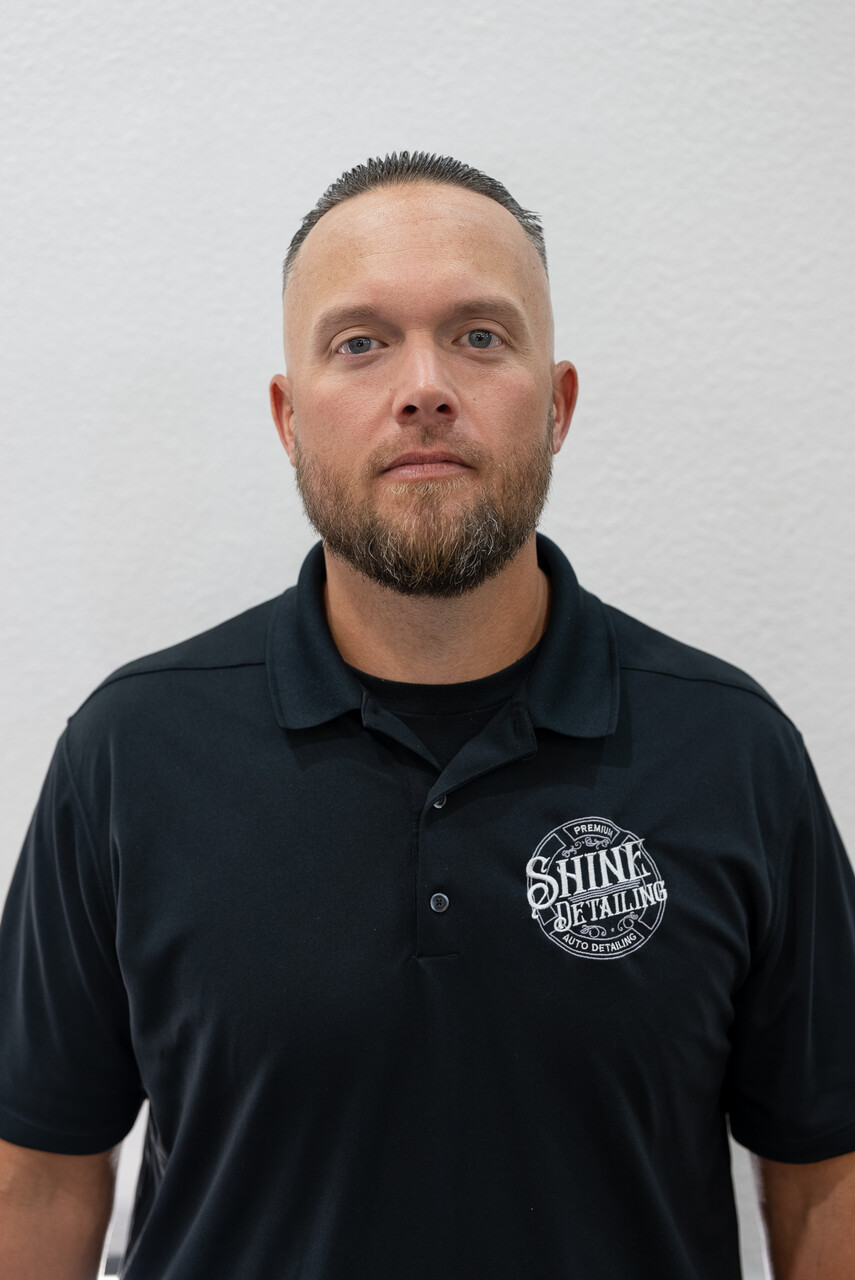
About the Author
Kelly H. Johnson
This post was written by Kelly H. Johnson, President of Shine Detailing LLC in Yorba Linda, California. A 15-year industry veteran, IDA Skills Validated professional, and certified installer across PPF, ceramic coating, and window tint, Kelly has trained nationally and been featured at SEMA and in HotRod Magazine. Follow along at @shinedetailingllc.